Managing Stress and Anxiety in Home Health Care
Understanding and managing stress and anxiety is a critical part of maintaining good health, particularly for those receiving home health care. In recent years, increased attention has been given to the psychological aspects of health, especially the negative impacts of stress and anxiety on both physical and mental well-being.
For home health care patients, managing stress and anxiety can be particularly challenging due to various factors, such as chronic illness, limited mobility, and isolation. Hence, there is a need to adopt strategies to effectively cope with stress and promote an optimal state of mental health.
Understanding Stress and Anxiety
Stress is a normal physiological response to challenging or dangerous circumstances. It serves as a survival mechanism that prepares our body to react in times of threat. However, too much stress, especially if sustained over a long period, can have adverse effects on our health.
Anxiety, on the other hand, is a reaction to stress. While a certain degree of anxiety is normal and can even be motivating, excessive anxiety can become debilitating and interfere with daily activities.
Impacts of Stress and Anxiety on Health
It’s crucial to recognize the potential negative impacts of unchecked stress and anxiety. Long-term stress can lead to several health issues, including high blood pressure, heart disease, diabetes, and sleep disorders. On the mental health front, chronic stress and anxiety can heighten the risk of depression and anxiety disorders.
Stress and Anxiety Management Techniques
There are numerous ways individuals can manage stress and anxiety. These techniques range from lifestyle changes to cognitive strategies, and they can all contribute to enhanced overall well-being.
Physical Activity
Regular physical activity plays a crucial role in stress management. Exercise releases endorphins – chemicals in the brain that act as natural painkillers and mood elevators. Stay physically active even while at home; simple tasks like walking around the house, stretching, or doing chair exercises can be beneficial.
Meditation and Mindfulness
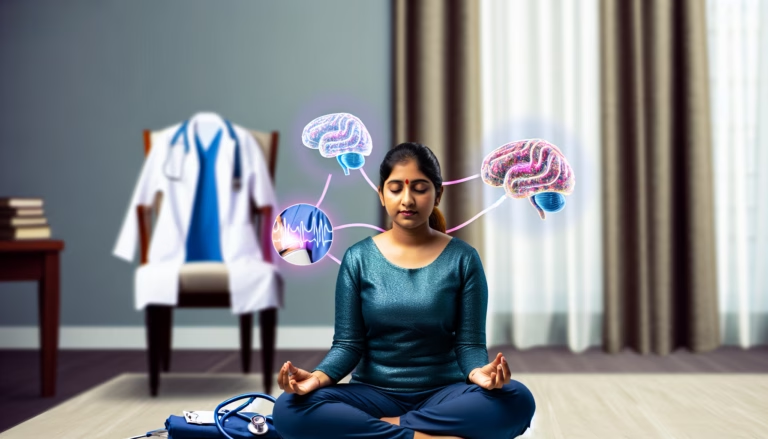
Meditation and mindfulness are powerful tools for managing stress and anxiety. They involve focusing one’s attention and eliminating the stream of jumbled thoughts that may be crowding the mind. You can find lots of mindfulness exercises and guided meditation routines online that require only a few minutes each day.
Healthy Nutrition
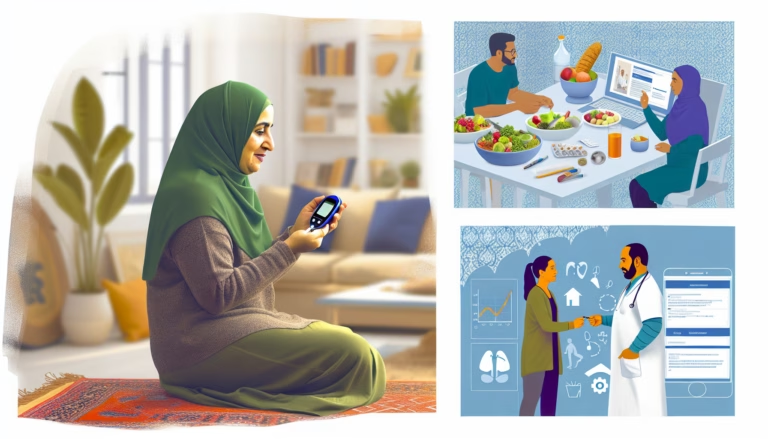
Eating a balanced diet can help manage stress more effectively. Certain foods, like those rich in omega-3 fatty acids and Vitamin B, are known to reduce stress levels. Therefore, planning for a nutritious diet is a valuable part of a well-rounded stress management plan.
Social Connections
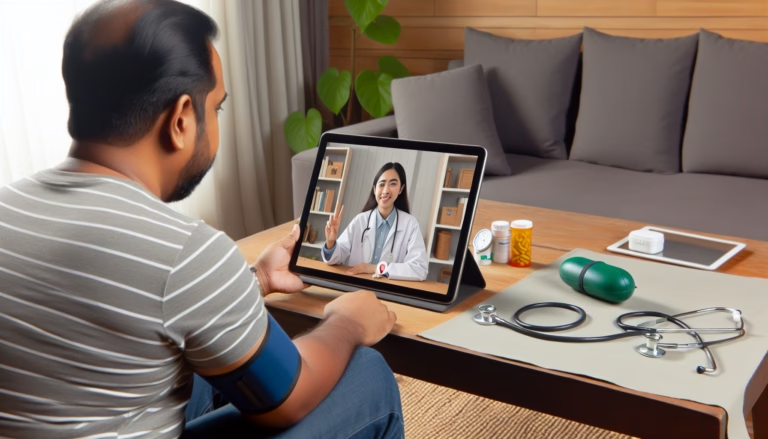
Maintaining social connections is essential for mental well-being. For home health care patients, regular communication with loved ones and health care providers via phone or video calls can provide a sense of belonging and reduce feelings of isolation. Online social networks and virtual support groups can also be beneficial.
Conclusion
Managing stress and anxiety can present unique challenges for people receiving home health care. However, with appropriate strategies and support, it is entirely possible to lead a balanced, healthy life, right from the comfort of home. Remember, it’s okay to seek advice from health care professionals every step of the way– thus, ensuring you’re well-equipped to handle stress and navigate the journey towards a healthier you.