A Guide to Understanding Chronic Pain and the Role of Home Health Care
Chronic pain can be a prevalent issue for many individuals, affecting daily life and well-being. It also stands as a major reason why people seek home health care. Conquering chronic pain involves understanding the nature of pain itself, the on-going efforts into pain research, and the role of home health care in managing this complex condition. This article will navigate these points and share practical tips for coping with chronic pain at home.
Understanding Chronic Pain
Unlike acute pain, which comes on suddenly due to injury, surgery, or illness, chronic pain persists well beyond the healing period. It can encompass conditions like arthritis, fibromyalgia, nerve damage, migraines, and back pain, to name a few. But despite its prevalence, chronic pain is often misunderstood.
Chronic pain is not just about feeling discomfort. It is also linked to feelings of fatigue, sleep disturbances, decreased appetite, and mood changes. It can affect various aspects of a person’s life, from their capacity to work and socialize, to their overall quality of life.
The Latest in Pain Research
Pain research has made significant strides forward, shedding light on the multifaceted nature of chronic pain. Researchers now know that chronic pain isn’t just an amplified version of normal pain – it’s more complex, involving changes in the nervous system that keep the pain persisting.
Learning about these latest findings helps in understanding this incredibly complex condition and compelling the development of advanced methods of pain management at home.
The Role of Home Health Care
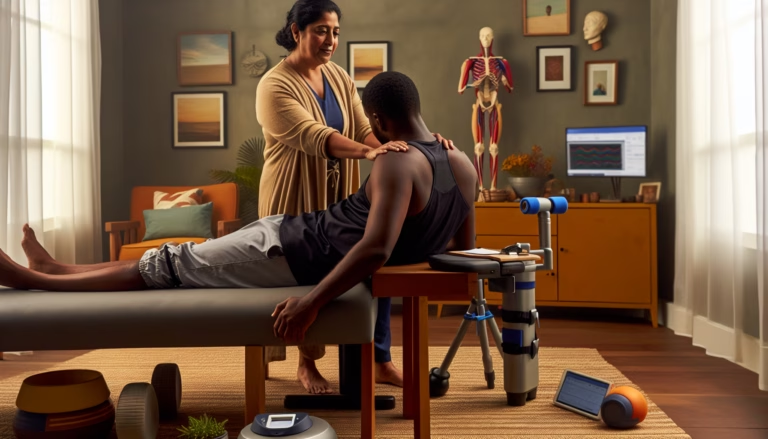
Home health care plays a pivotal role in managing chronic pain. Registered nurses and therapists can develop individualised care plans that incorporate pain assessment, medication management, alternative therapies, physical exercises, and stress management techniques to help patients better manage their symptoms.
Moreover, home-based care also ensures that pain management strategies are integrated seamlessly into the patient’s daily routine. This, in turn, increases the effectiveness of these strategies over the long term.
Practical Tips for Coping with Chronic Pain At Home
These are some practical tips that can help you manage chronic pain at home:
- Stay Active: Light, regular exercises can reduce inflammation and muscle tension, which helps in relieving pain. Walking, stretching and water aerobics are some low-impact exercises that can be beneficial.
- Get Enough Sleep: A good sleep can lessen pain and help you manage it better. Establish a regular sleep schedule and create a restful environment to improve sleep.
- Healthy Diet: A balanced, nutritious diet can boost your overall health and energy level, helping you better cope with pain.
- Mind-Body Techniques: Techniques such as deep breathing, meditation, yoga, and Tai Chi can help reduce stress and relieve pain.
While these tips can help, remember to always consult your healthcare provider before making any changes to your health routine. And always remember, you’re not alone in your journey. Your home health caregiver is there to support and guide you every step of the way.
Wrapping Up
Managing chronic pain is a collaborative effort that combines medical care, self-care, and support from loved ones, with home healthcare services playing a major role. By understanding and implementing effective strategies, one can lead a balanced and fulfilled life even with chronic pain.