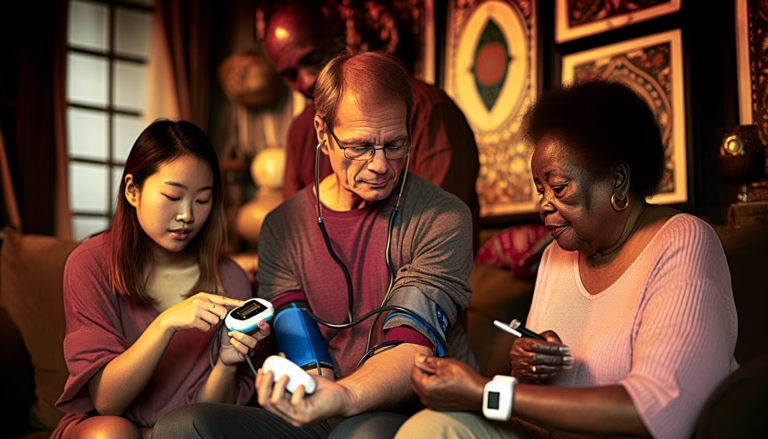
Understanding Home Health Care: An Integral Part of Healing
Home health care has emerged as a significant factor in the health and wellness arena. Its primary role is to ensure patients receive exemplary healthcare services at their residence, eliminating the need for hospitalization unless absolutely necessary. It might involve routine care, like checking vital signs, administering medications, or intricate procedures like wound care for pressure sores or surgical wounds. But, what exactly does home health care encompass, and why is it an essential aspect of the healthcare system? Let’s delve into these aspects.
A Brief Overview of Home Health Care
Home health care services can be as comprehensive as hospice care services or as simple as weekly nursing visits. The primary objective is to manage and treat an illness or injury. Successful home health care leads to faster recovery, better health outcomes, more personalized care, and reduced hospital readmissions due to better, continuous care.
The Significance of Home Health Care
Now, you might wonder, why home health care? The answer is simple: It is patient-centered and offers more personal attention. It allows patients to recuperate in a familiar, comfortable environment, surrounded by their loved ones. Research suggests that individuals healing in their preferred environment recover quicker, largely due to reduced emotional stress. Plus, it’s often more cost-effective than in-facility care.
Home Health Care Services
Home health care services may include, but are not limited to:
- Physiotherapy or occupational therapy
- Speech therapy
- Nutritional support
- Pain management
- Medication management
- Education about self-care routines and disease management
- Companionship
- Household support
Nurses or professional caregivers, based on the patient’s individual needs, usually provide these services. They ensure that the patient’s overall care plan is followed, managing the treatments, and tracking progress.
When is Home Health Care Needed?
Home health care is typically needed when an individual struggles with performing everyday tasks on their own due to health problems. Conditions may range from recovering from a major surgery, stroke, or managing chronic ailments like diabetes, heart disease, or arthritis. In many scenarios, home health care becomes an integral part of the recuperation process, helping people regain their independence and self-sufficiency.
Final Thoughts
The essence of home health care lies in its patient-centered approach. It mitigates the emotional and physical stress linked to continuous hospitalization. But most importantly, it reminds us that health care is more than just treating symptoms or ailments — it’s about acknowledging the need for comfortable healing environments that respect a patient’s preferences and values.
Understanding the ins and outs of home health care becomes imperative, particularly as we collectively strive towards a more holistic, patient-focused health care system. Whether you’re a caregiver, a patient, or a general reader hoping to learn more about comprehensive health care options, recognizing the impact of home health care can make a world of a difference.