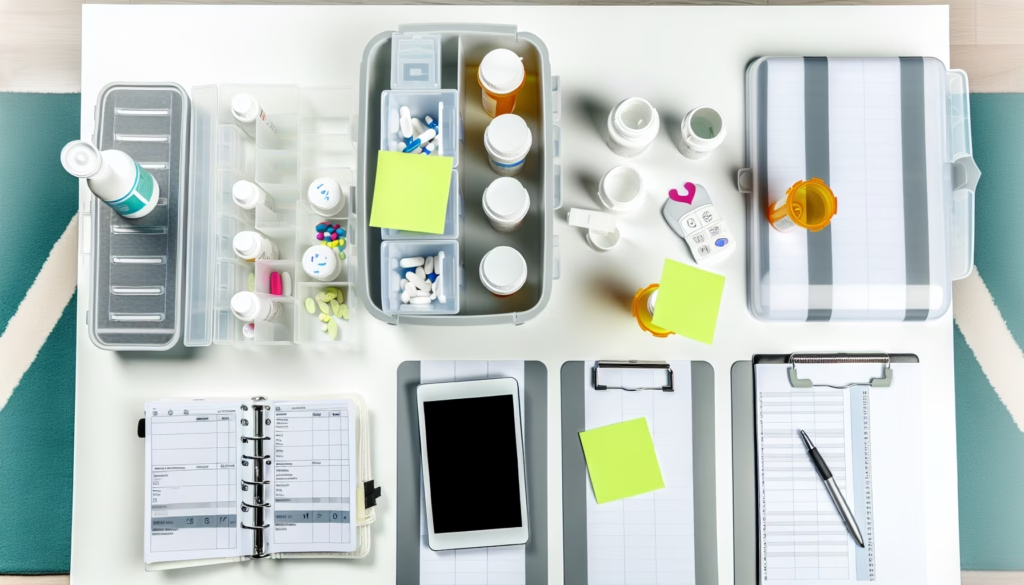
As the population ages, home health care has become a necessary and convenient option for many individuals and families. Not only is it cost-effective, it also allows the person in need to receive care in the comfort of their own home. One of the essential components of home health care is medication management. This can be a complex task, especially for individuals with multiple medical conditions requiring multiple medications. In this article, we will delve into the ins and outs of effective medication management in a home health care setting.
Making a Medication List
First and foremost, maintaining an up-to-date medication list is indispensable. This list should include all the medicines prescribed to the patient – not just pills, but also inhalers, patches, drops, injections, etc. Any over-the-counter drugs, dietary supplements, and vitamins should also be part of this list. The following details for each medication are necessary: the name, dosage, frequency, and the name of the prescribing doctor. This list can serve as a valuable reference for health care professionals, caregivers, and even in emergency circumstances.
Following the Medication Schedule
Adherence to medication schedule is vital in managing health conditions effectively. Setting up a daily routine with reminders may be helpful for some patients. There are several apps available that can aid with this process by sending reminders, tracking medication intake, and even alerting when it’s time to refill a prescription. However, do remember that the use of these apps should be complementary to, and not a replacement for, proper medical advice and regular check-ups.
Understanding Medication Interactions
Some drugs when taken together can interact causing desired or undesired effects. It’s crucial, therefore, to be aware of potential interactions especially with over-the-counter medications and supplements. Consulting with your healthcare provider or pharmacist about these concerns is a good practice.
Regular Medication Reviews
Regularly reviewing medications with the healthcare provider ensures that the medications are still needed and are working as expected. It’s also an opportunity to discuss any side-effects or difficulties the patient may be experiencing. These reviews can also be a time to streamline medications – shifting to once-daily dosing or alternative treatments which are easier to manage.
Proper Medicine Storage
Storing medications properly is also an important part of medication management. Some medicines require refrigeration while others are best kept at room temperature. The drug’s packaging usually provides the necessary storage information.
Disposal of Unused Medications
Unused medications should be disposed of properly, not just thrown in the trash or flushed down the toilet. Several pharmacies have take-back programs where they will dispose of medicines for you. You can also check with your local waste disposal facility for their protocol for getting rid of medications.
Medication management may seem daunting, especially when dealing with multiple prescriptions, but with organization, diligence, and the right help, it can be effectively managed even in a home health care setting. Taking these steps can contribute to improved health outcomes and patient safety.