Making Your Home a Safe Haven: Home Safety Tips for Patients Receiving Home Health Care
When it comes to home health care, safety should never be compromised. Whether you’re a patient, caregiver, or family member, it is crucial to ensure that the patient’s dwelling optimizes safety and nurtures well-being. This blog will explore some actionable tips to elevate home safety for individuals receiving home health care.
Start with a Home Safety Assessment
The first step to a safer home environment is the conductance of a thorough home safety assessment. This involves inspecting the living space and identifying potential risks. The assessment should cover every room, and include factors such as lighting, furniture arrangement, and floor condition. A qualified health care professional can assist with this and suggest the necessary modifications.
Keep the Home Well-lit
Poor lighting can lead to unnecessary accidents, especially for those with compromised vision. Ensure all areas of the home are well lit, and consider nightlights in bedrooms, bathrooms, and hallways. Sensor lights can also be a good option for those who need to get up during the night.
Clear Clutter and Ensure Open Spaces
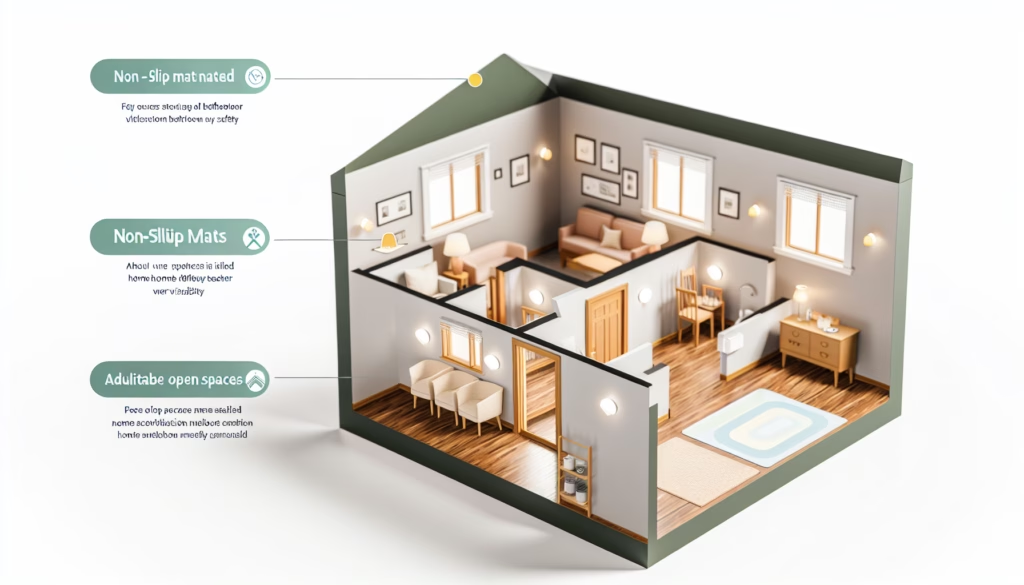
Clutter can create trip hazards which can be especially dangerous for those with mobility issues. It is essential to keep walkways clear and open. Remove loose rugs, manage cords effectively, and consider furniture arrangement to create open, easy-to-navigate spaces.
Install Safety Features in the Bathroom
Due to its damp and slippery surfaces, the bathroom can be a high-risk area. Installing safety features such as grab bars, shower seats, and non-slip mats can reduce the risk and provide support for those with limited strength or balance. A raised toilet seat is also a valuable aid for those with mobility issues.
Consider Assistive Devices
From aids for daily living to mobility devices, there are a range of tools designed to improve safety and independence at home. Assessment by a healthcare professional can highlight the most suitable devices, tailored to the individual’s needs. This may include walkers, wheelchairs, canes, or even simple tools for tasks such as buttoning shirts or reaching high shelves.
Store Medicines Safely
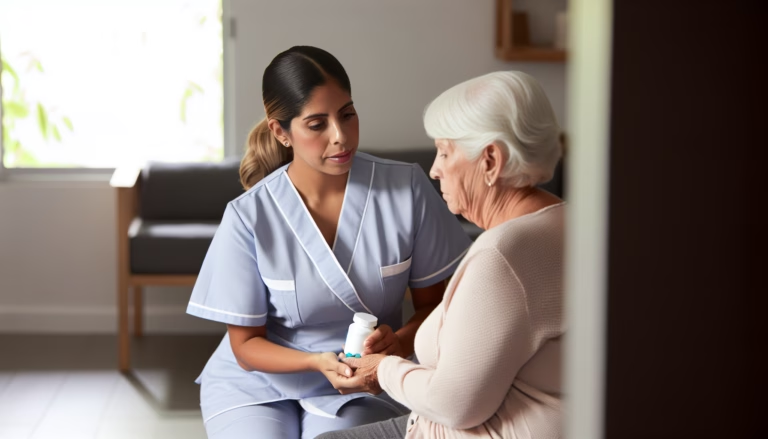
For home health patients, medication management is a critical aspect of care. Always store medicines securely and away from children. Regularly check expiry dates and dispose of out-of-date medications safely.
Creating a safe home environment is an essential part of home health care. Remember, every person and home is unique, so strategies should be tailored to the individual’s needs. With these tips, you’ll be on your way to a home that not only supports healing and recovery but also enables independence and improves quality of life.