Strategies for Managing Stress for Home Health Patients
Managing a health condition at home can often come with its share of stress and anxiety. Many home health patients struggle with the emotional impacts of their conditions. If you, too, are having a tough time handling the stress of home health care, below are some strategies that can help you manage better.
Mindfulness and Relaxation Techniques
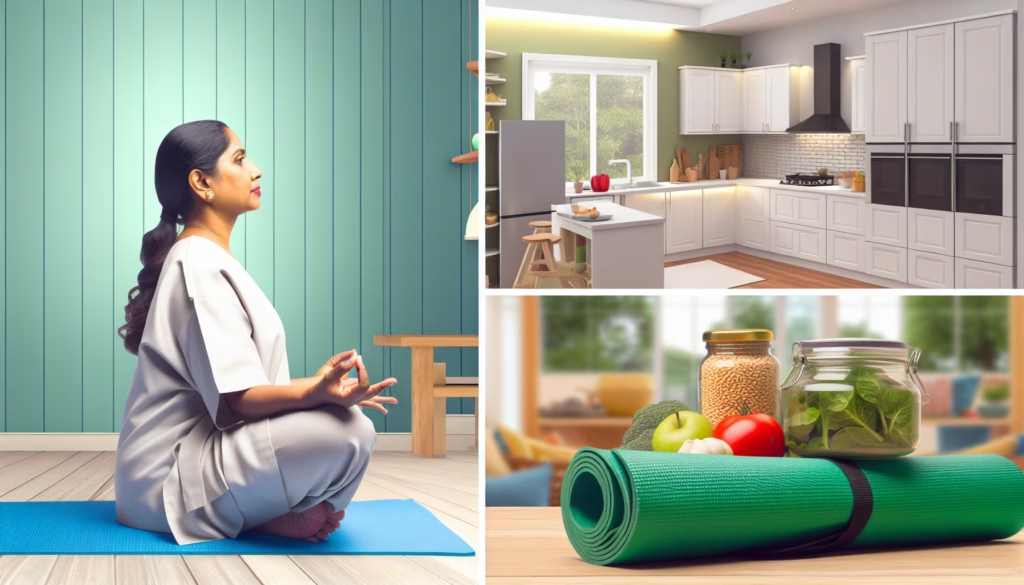
Mindfulness is the practice of being completely present and engaged in the current moment. It involves not worrying about the future or dwelling on the past, and it’s a remarkably effective stress management tool. You can achieve mindfulness through methods like meditation, yoga, or even just by practicing focused breathing. The beauty of these techniques is that they can be done right in the comfort of your home.
Staying Physically Active
Physical activity isn’t just good for your physical health—it’s beneficial for your mental health as well. Exercise helps to release chemicals in your brain, like endorphins and serotonin, that improve your mood and act as natural stress-relievers. As a home health patient, simple exercises such as light stationary cycling, chair yoga, or stretching exercises can be beneficial. Remember, always consult your healthcare provider before beginning any new exercise regimen.
Healthy Eating Habits
We often overlook the impact of our diet on our mental health. Consuming a balanced diet that’s rich in fruits, vegetables, lean proteins, and whole grains can help maintain your mood and keep stress at bay. Make sure to stay hydrated and limit the intake of caffeine and sugar, which can lead to energy crashes and increased feelings of anxiety and stress.
Establishing a Routine
Routines provide a sense of normalcy and control, which can significantly reduce feelings of stress. Plan your day, from your meals, medication times, rest periods, and recreational activities. This can help you maintain a balanced lifestyle, promote better sleep, and help you manage your responsibilities without feeling overwhelmed.
Connecting with Others
Human connection is a powerful stress reliever. Having a chat with a loved one, sharing your thoughts and concerns with someone you trust, or even socializing online can help distract from stress and provide you with emotional support. Reach out to friends, join support groups, or seek professional help if needed. Remember, you’re not in this alone.
Every individual responds differently to stress and its triggers, making it crucial to find what works best for you. Small changes can make a significant difference in your ability to manage stress and ultimately improve your quality of life.