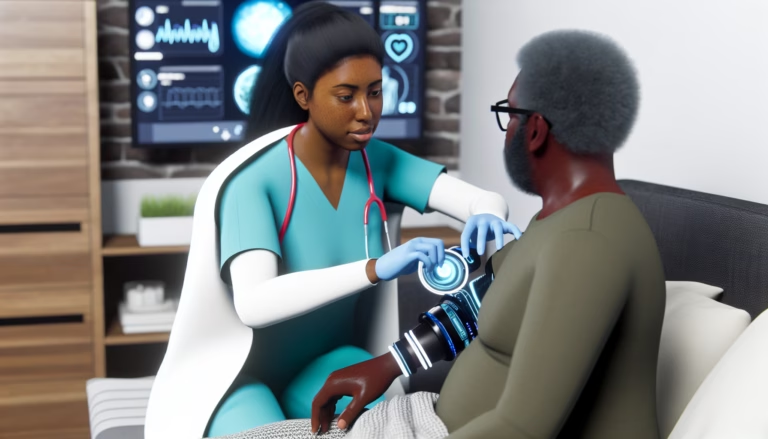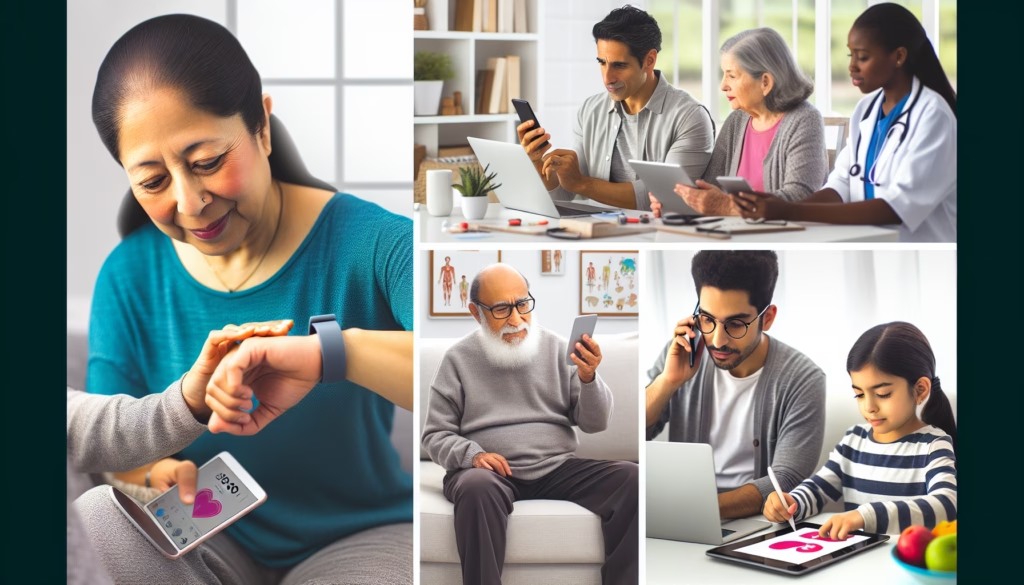
Imagine waking up each morning to the gentle reminder that it’s time to do your stretching exercises. As the day progresses, you receive timely alerts to take your medications, drink water, or even stand up and walk a bit, all from a device in your pocket or on your wrist. This is not a glimpse into an imagined, distant future but a reality that many patients and caregivers are experiencing today. Welcome to our conversation on mobile health (mHealth) technologies and their impact on home health care.
Mobile health, or mHealth, refers to the application of mobile and wireless technologies for health purposes. It has risen as a significant element in health care due to its ability to offer quality services more quickly, conveniently, and cost-effectively. With the advent of sophisticated mobile devices and applications, mHealth has disrupted the traditional health care delivery system and introduced new possibilities for home health care.
The potential of mHealth technologies in home health care is vast. From digitized patient records to telemedicine consultations, and from mobile apps reminding you to take medication to wearable devices tracking your vital signs, mHealth can have a significant impact on a patient’s journey towards recovery and maintaining good health.
MHealth applications have been instrumental during the COVID-19 pandemic. Telemonitoring systems and mobile health applications have enabled patients, including high-risk individuals, to manage their conditions from the safety of their homes. Doctors and caregivers could monitor patients’ vital signs remotely, deliver virtual consultations, and even provide mental health support, all through the use of digital platforms.
However, the capabilities of mHealth are not only constrained to pandemic situations. mHealth technologies can help individuals with chronic conditions manage their health daily. Diabetes patients, for instance, can use mobile applications to track their blood sugar levels and get real-time feedback. Elderly patients living alone can use emergency notification systems to alert caregivers or emergency services when they need assistance.
Despite the advantages, it’s essential to be aware of the challenges and barriers to mHealth adoption. Privacy and data security issues are of significant concern with the increasing use of digital health platforms. Furthermore, some users, especially older adults, may find technology intimidating or challenging to use. Therefore, training and support are crucial to ensure that these digital tools are effectively utilized.
It’s all about leveraging technology to improve lives, isn’t it? The potential benefits of mHealth on patients’ health outcomes, care delivery, and overall health care system, merits further exploration and discussion. As these technologies continue to evolve, one thing is clear: mHealth is altering the landscape of health care and has the potential to uplift the home health care experience substantially.
MHealth is here to stay and grow. It’s more than an innovation; it’s a revolution that promotes self-care, empowers patients, and relieves caregivers. Join us in this journey as we further explore and discuss mobile health and its various components, the pros, cons, and the endless possibilities it provides in transforming home health care.
Stay healthy, stay informed, and welcome to the future of home health care.