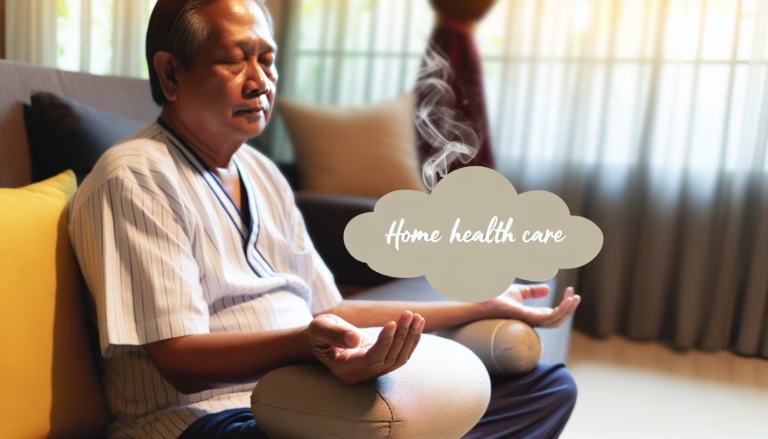
The Importance of Mental Health in Home Health Care
When we talk about home health care, a lot of focus typically goes towards managing physical health. Patients, caregivers, and health enthusiasts often concentrate their efforts on devising optimal strategies for managing chronic diseases, navigating complex therapeutic guidelines, or employing innovative healthcare solutions. However, an equally crucial aspect of wellness, mental health, often eludes our attention in the home health care scenario. Mental wellness plays a fundamental role in promoting overall health, enhancing the quality of life, and fostering resilience to health-related adversities.
Mental health is not merely the absence of mental illnesses. According to the World Health Organization (WHO), it is a state of well-being where individuals realize their potential, can cope with the routine stress of life, work efficiently, and positively contribute to their community. This definition encapsulates why mental health is integral for everyone, especially individuals receiving home health care or those involved in providing such care.
Mental Health: The Overlooked Pillar of Wellness
Preserving mental health is vital for those with chronic conditions. Depression and anxiety are common among patients dealing with long-term physical health problems. These mental health issues can be a response to the stress of dealing with a chronic illness and may also result from physical changes brought about by the disease. Upon being overlooked, such mental health issues can harm the patient’s overall well-being and hinder their coping mechanism. Thus, integrating mental health care in home health care settings is necessary to optimally manage chronic illnesses.
Similarly, caregivers also grapple with the enormous stress associated with caring for a loved one. They bear a significant emotional burden and are susceptible to caregiver burnout, which can manifest as feelings of exhaustion, anger, and guilt. Maintaining mental wellness provides caregivers with the mental strength and resilience required to continue their selfless service.
Practical Tips to Enhance Mental Health in Home Health Care Settings
Here are some practical tips for maintaining and improving mental health among home health care patients and caregivers:
- Open Communication: Encourage discussions about emotions and feelings. An open and empathetic dialogue can aid in dissecting and addressing mental health concerns.
- Physical Activity: Regular exercise can significantly reduce feelings of depression and anxiety. Tailor the exercise routine to match the individual’s fitness level and preferences.
- Social Interaction: Encourage interaction with friends and family. Social connections help reduce feelings of isolation and loneliness, which are common among those providing or receiving home health care.
- Mindfulness and Relaxation Techniques: Mindfulness activities, meditation, yoga, or other relaxation techniques help manage stress and promote emotional well-being.
Each individual’s journey towards mental wellness is unique. It involves personal growth, resilience, and a satisfying quality of life. By incorporating mental health support in home health care, we can ensure a holistic approach to health and harmony for patients and caregivers alike. Remember, health isn’t just about the body – the mind matters equally!