Enhancing Mental Well-being: Mindfulness Techniques for Home Health Patients
The journey of home health patients often encompasses not just physical aspects, but also mental and emotional facets. Managing one’s mental well-being is crucial in promoting overall health and accelerating recovery. One effective way is through practicing mindfulness, a simple, yet powerful technique that anchors us in the present moment, reduces stress, and infuses peacefulness into our daily lives.
The Power of Mindfulness
Mindfulness, originating from Buddhist meditation traditions, has been adopted widely in Western psychology due to its numerous health benefits. By directing our attention to the present, we learn to let go of past regrets and future anxieties, fostering emotional stability and mental clarity.
Practice Mindfulness in Daily Life
Mindfulness is not confined to formal meditation sessions. It can be incorporated into everyday activities, turning routine tasks into opportunities for relaxation and self-discovery. Here are three easy ways to incorporate mindfulness into your daily routine.
1. Mindful Breathing
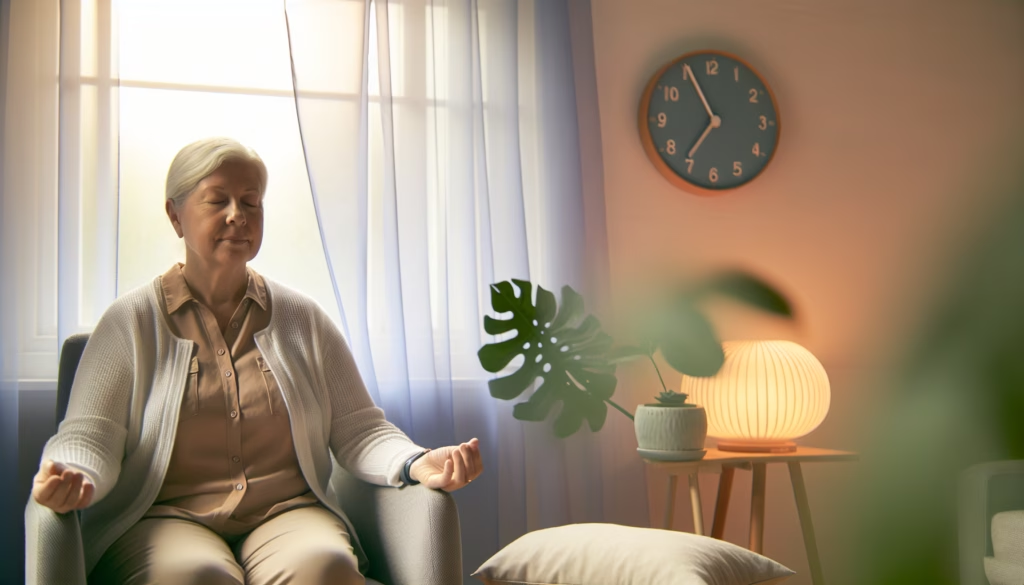
This simplest form of mindfulness practice involves focusing your attention on your breath. Sit comfortably, close your eyes, and start by taking slow, deep breaths. Pay attention to the sensation of air entering and leaving your nostrils. If your mind wanders, gently guide it back to your breath.
2. Mindful Eating
Rather than devouring your meals in haste, try to savor each bite. Notice the texture, taste, and aroma of the food. Appreciating the nourishment food provides can transform mealtime into a restorative experience.
3. Mindful Walking
Walking can be a therapeutic activity when done mindfully. Feel the ground beneath your feet. Enjoy the rhythm of your steps. Breathe in the fresh air. Revel in the beauty of your surroundings and the simple joy of movement.
The Impact of Mindfulness on Home Health Patients
Chronic conditions can trigger stress, anxiety, and depression. Coupled with the solitude that often accompanies home health care, these emotional states can impede recovery. However, mindfulness can counteract these negative mental states by fostering self-awareness and self-acceptance, making it particularly beneficial for home health patients.
Moreover, studies show that mindfulness exercises can improve sleep quality, boost memory, and enhance focus. They can even help manage physical pain by harnessing the mind’s power to perceive pain differently and improve the body’s response to stress and illness.
Embrace Mindfulness for Healthier Living
While chronic conditions impose inevitable challenges, the pursuit of well-being remains within reach. Incorporating mindfulness into daily life can fundamentally improve mental health and resilience for home health patients. So, take a moment. Breathe in, breathe out, and witness the transformative power of being present.