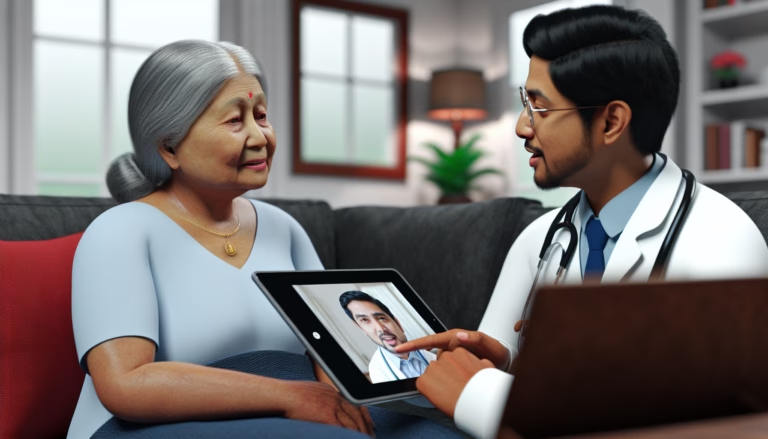
Understanding the Importance of Mental Health in Home Care
When we talk about home health care, it’s common to focus on managing physical ailments and conditions. We talk about treatment plans, medication, and physical therapy, all of which are, of course, essential. However, one aspect that sometimes gets less attention is mental health. Mental wellness plays a critical role in overall health and well-being, and it is equally crucial for patients receiving home health care.
Research indicates that patients managing a chronic condition at home often face emotional and psychological challenges alongside their physical health issues. These challenges can range from chronic stress and anxiety to depression and feelings of isolation. Unattended, these mental health issues can negatively affect their overall recovery and well-being.
The Connection Between Mental and Physical Health
It is essential to understand that our physical and mental health does not exist in separate vacuums. Pain, fatigue, and the challenges of a chronic condition can contribute to mental stress. Simultaneously, stress, anxiety, and depression can exacerbate physical symptoms and complicate recovery.
Balancing the treatment of physical health challenges with equal attention to mental health can support the overall healing process and improve a patient’s quality of life.
Emotional Support in Home Health Care
Home health care providers can play a key role in facilitating this balance. By recognizing signs of mental health concerns early, they can connect patients with appropriate resources, such as counseling services, support groups, or mental health professionals.
Simple gestures such as lending a listening ear can go a long way to help a patient feel understood and supported during difficult times. This emotional support can foster a stronger patient-provider relationship, which in turn can inspire better adherence to care routines and treatment plans.
Mental Health and Caregivers
Just as patients can face mental health issues in home care situations, caregivers, too, can experience stress and strain. It’s important for caregivers to maintain their mental well-being, as their physical and psychological state directly impacts their capacity to provide effective care.
Taking time for self-care, setting boundaries, seeking out support when necessary, and practicing stress management strategies can help caregivers maintain their mental health, ensuring they can continue to provide the best possible care for their loved ones.
Final Thoughts
Mental health is essential in every phase of our lives. For home health patients and caregivers, addressing mental health is not a luxury—it’s a necessity. Recognizing its importance and incorporating strategies for mental health support can lead to better overall health outcomes, improved recovery, and higher quality of life.
Remember, it’s okay to seek help. If you or someone you are caring for at home is struggling with mental health, reach out to a healthcare professional or a support service in your community. Your health—and your mental health—are worth it.