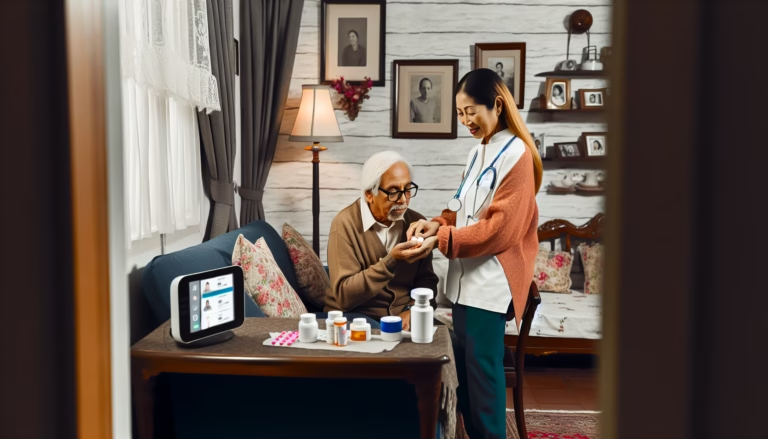
Chronic Care Management at Home: Applying Evidence-based Strategies for Improved Well-being
Chronic illnesses represent some of the most pervasive and challenging health issues that many individuals face today. These illnesses can greatly impact quality of life, especially when proper management strategies are not implemented. With a growing number of patients preferring home-based care, there is a need to discuss practical, evidence-based strategies to aid in the management of chronic conditions at home.
For those living with chronic illnesses like diabetes, heart disease, arthritis, or respiratory diseases, seamless integration of lifestyle modifications into daily routines is essential. These modifications can range from dietary changes and exercise, to stress management and medication adherence. While it may seem daunting, integrating these changes into your routines can not only facilitate disease management but also promote overall well-being.
Nutrition and Chronic Disease Management
Good nutrition is a key cornerstone of chronic disease management. For instance, those living with diabetes may need to monitor their carbohydrate intake and blood sugar levels regularly, while those with heart disease might need to limit their sodium and saturated fat intake.
Consulting with a dietitian can help you create a customized meal plan tailored to your specific health needs and personal preferences. It can be helpful to become familiar with reading food labels, understanding portion sizes, and knowing the nutrient content of foods. Thankfully, many healthy and delicious recipes suitable for managing various chronic diseases are available online.
Physical Activity and Disease Management
Engaging in regular physical activity can improve health outcomes for individuals with chronic diseases. Regular exercise can help reduce blood pressure, manage weight, and improve cardiovascular health, among other benefits. However, it’s always important to consult with your doctor before starting a new exercise regimen, especially if you have a chronic illness.
Something as simple as a 30-minute walk every day can bring about significant health benefits. If mobility is an issue, chair-based exercises or gentle forms of yoga might be more suitable. The key is to find a form of physical activity that you enjoy and that you can integrate into your routine sustainably.
Monitoring and Regular Check-ups
Regular health monitoring is crucial, especially for those with chronic diseases. Regular check-ups can help detect possible complications early, thus allowing for timely intervention. It’s important to be in regular contact with your healthcare provider, even when managing your condition from home.
Technology can also play a crucial role in this aspect. With telemedicine and home health monitoring systems, it’s easier than ever to stay connected with healthcare providers from the comfort of your home. These tools can allow you to monitor vital signs, such as blood pressure or glucose levels, at home, and share the information with your healthcare providers.
Conclusion
Managing a chronic illness at home may seem challenging, but it’s entirely possible with the right strategies and support. A blend of balanced nutrition, regular physical activity, and continuous health monitoring can help improve health outcomes and enhance quality of life for individuals managing chronic diseases at home.
Always remember, you’re not alone in your journey. Reach out to your healthcare providers, support groups, and loved ones for assistance, and take advantage of the wealth of resources available online. Your effort and commitment in managing your chronic condition will lead to a healthier life and a stronger you.