Aiding Caregivers: Ensuring Optimal Home Health Care
Whether caring for a loved one with a chronic illness or helping an elderly relative maintain a sense of independence, becoming a home caregiver is a significant and often challenging responsibility. Adequate knowledge, resources, and support are vital for caregivers as their role becomes part and parcel of routine life. This article will explore how caregivers can ensure optimal home health care, focusing on stress management, resource allocation, and effective communication with health professionals.
Managing Caregiver Stress
Stress management plays an essential role in maintaining the emotional well-being of caregivers. Undertaking a caregiving role can lead to both physical and emotional stress, making it paramount to find coping mechanisms that mitigate these pressures. Practices like regular exercise, mindfulness meditation, and guided relaxation techniques aid in battling the adverse effects of stress, ensuring caregivers remain healthy and energic. Involve these health-promoting habits in your daily routine, and get the fuel to care for your loved ones in the best possible way.
Optimizing Resources
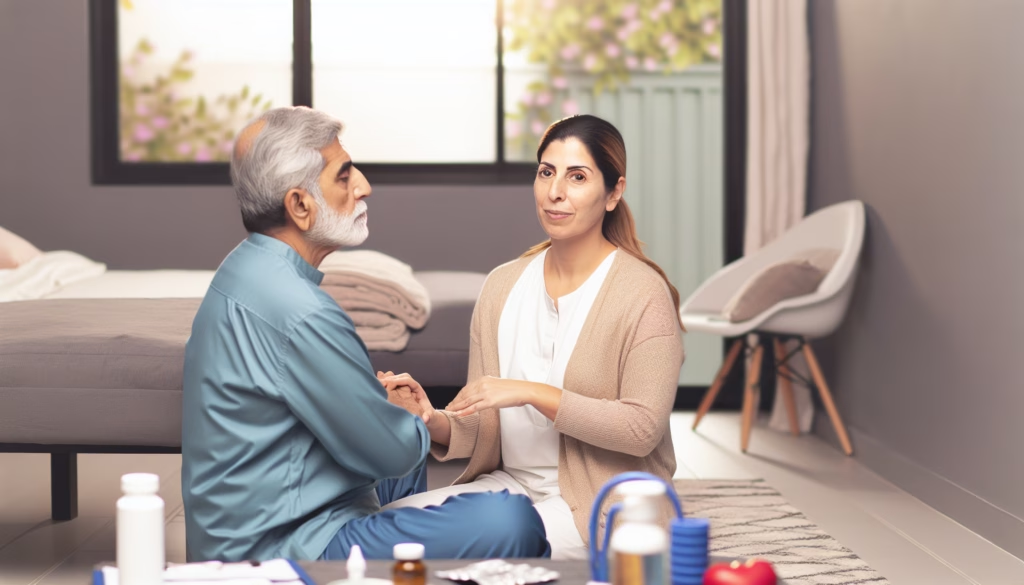
Arranging and managing resources is an integral part of home health care. To achieve this, establish a clear and effective system for medication management, and ensure all necessary medical equipment is at hand and in good working condition. It’s also crucial to understand how to use these resources appropriately. Research, online tutorials, and advice from healthcare professionals can prove invaluable to enlighten caregivers about resource optimization.
Facilitating Communication with Health Professionals
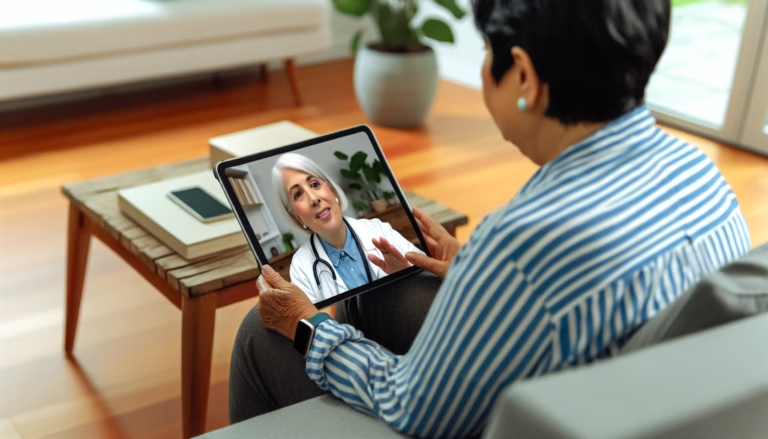
Open communication lines with health professionals are vital for caregivers to gain essential medical information about the loved one’s condition. Prioritize scheduling regular appointments, develop a list of questions before each visit, and consider taking a notebook to jot down essential advice or instructions. These steps foster better understanding and clarity, thus enhancing the level of care given to the patient at home.
Support Network for caregivers
Having a solid support network can make a significant impact on a caregiver’s journey. Engaging in support groups for caregivers can provide emotional support, knowledge sharing, and excellent opportunities to learn new coping strategies from those who have experienced similar challenges. Alongside this, having family members or close friends who understand the responsibilities and challenges of your role, and are available to provide respite care when required, can be extraordinarily beneficial.
Conclusion
Caregiving is a challenging yet rewarding role, and managing it effectively requires resilience, knowledge, and support. By focusing on stress management, resource utilization, communication with health professionals, and garnering a robust support network, caregivers can better navigate through their role while ensuring their loved ones receive optimal care at home.
Embrace the caregiver journey, knowing that with the right resources and mindset, you’re making a profound difference in someone’s life and yours.