Understanding the Role of Physical Therapy in Home Health Care
In the realm of home health care, several elements come together to offer comprehensive support to patients. One of the pivotal aspects of comprehensive home health care that is often overlooked is physical therapy. Extending beyond the traditional healthcare setup, physical therapy plays an essential role in ensuring the improvement and maintenance of a patient’s physical health while they recuperate in the comfort of their home.
Why is Physical Therapy Necessary?
Physical therapy is designed to restore the patient’s motor functions, improve flexibility, relieve pain, and prevent or mitigate physical disabilities. Additionally, physical therapy can help patients adapt to an assistive device, regain independence, and evolve healthy lifestyle behaviors to enhance their overall wellness. It becomes especially necessary for patients recovering from injuries or surgeries, and those dealing with chronic conditions, such as arthritis, Parkinson’s disease, or multiple sclerosis.
The Role of a Physical Therapist in Home Health Care
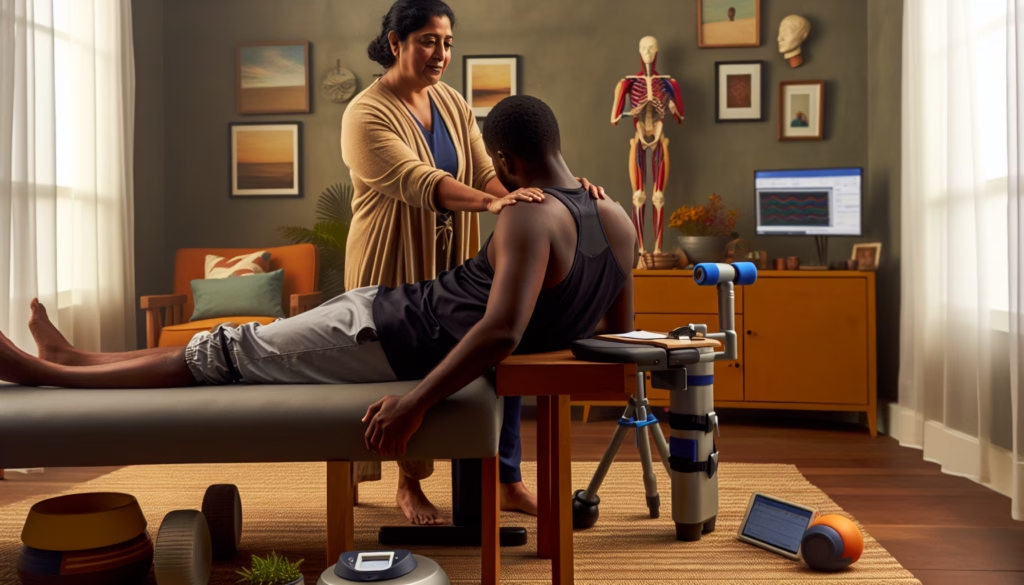
The role of a physical therapist in home health care is vast. They not only help patients improve mobility and strength but do so within the patient’s home environment. This type of therapy allows the therapist to better understand the patient’s daily challenges, make specific recommendations, and customize exercises to suit the patient’s unique living conditions. Physical therapists also educate patients and caregivers about safety measures to prevent falls, correct posture, and the right technique for using supportive devices. Their role is beyond treating conditions; it extends to improving the quality of life for patients.
Benefits of Physical Therapy at Home
Receiving physical therapy in the comfort of your own home has many advantages. It provides a safe and convenient alternative for patients who find it difficult to travel for therapy. Continuity of care is enhanced as therapists provide personalized treatment plans tailored to the patient’s home environment. This contextual treatment ensures better adaptation and faster recovery. Additionally, including caregivers in the therapy process aids in better compliance, ensures continuity of exercises, and provides emotional support to the patient.
Embracing Technology in Physical Therapy
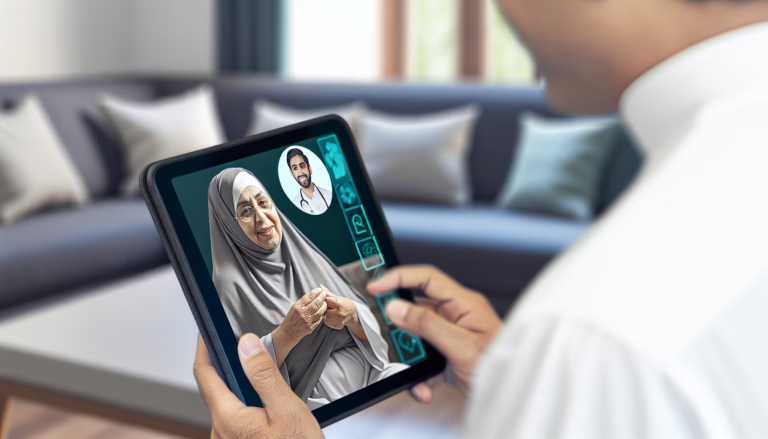
Technology has found its way into every aspect of healthcare, and physical therapy is no different. Tele-rehabilitation offers a viable solution for remote physical therapy sessions. Video calls allow real-time interaction between patients and therapists for consultation, guidance, and even demonstration of exercises. Wearable technology aids therapists in tracking a patient’s progress and adjusting exercise routines accordingly. In its essence, technology is transforming the way physical therapy is delivered in home health care.
Conclusion
Physical therapy forms a cornerstone in home health care treatment plans. Whether it’s recovery from a surgery, managing a chronic condition, or adapting to a new assistive device, physical therapy helps patients regain strength, functionality, and confidence. With the added convenience and customized approach of home-based therapy, patients can progress towards their health goals and enjoy better quality of life.