Guide to Home Rehabilitation After a Stroke
One of the challenges patients face following a stroke is recovery. While hospitals provide initial treatment and possibly some rehabilitation therapy, continued post-stroke rehabilitation often takes place at home. It can be a critical part of recovery, helping to restore physical function and well-being.
Stroke rehabilitation includes various exercises and therapies tailored to individual needs. The goal is to aid in restoring independence and improving quality of life. Here, we shed light on home rehabilitation after a stroke and offer practical advice for patients and caregivers.
The Importance of Rehabilitation After a Stroke
Stroke recovery is a multifaceted process that involves relearning lost skills such as speaking, eating, dressing, and walking. The brain, post-stroke, is flexible and can relearn these skills through consistent exercise and therapy.
Creating an Effective Rehabilitation Plan
Tailoring a rehabilitation plan should involve a team of health professionals, including doctors, physiotherapists, and occupational therapists. While individual needs differ, a comprehensive plan often includes the following elements:
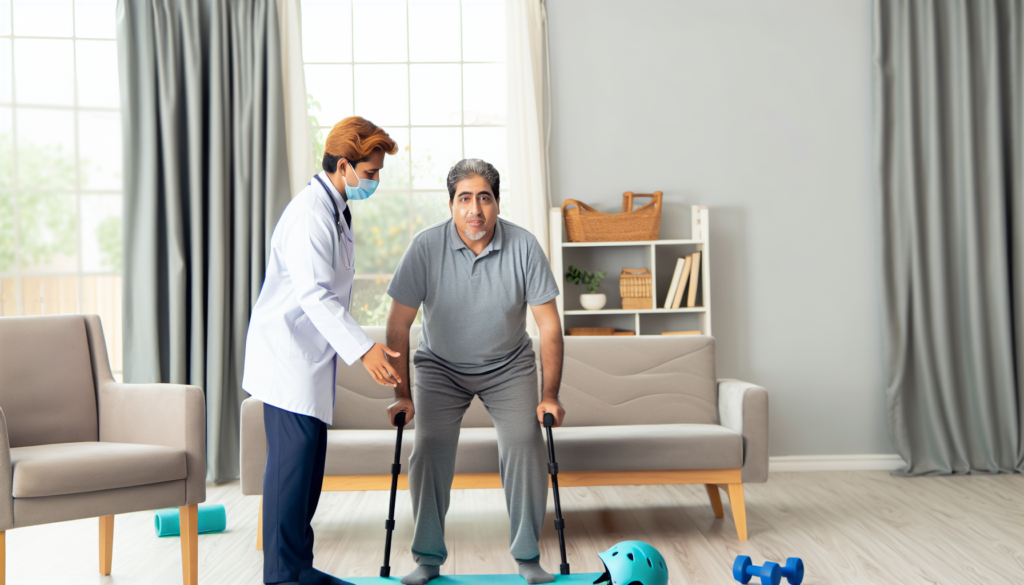
- Physical and Occupational Therapy: These therapies can help with mobility, coordination, and performing daily activities.
- Speech Therapy: This aids in relearning language and communication skills. It also helps with difficulties in swallowing, a common problem faced by stroke survivors.
- Psychological Support: Recovery from a stroke is not just physical. Dealing with the emotional aftermath is also essential. Psychological support, like counseling and support groups, can reduce feelings of anxiety, frustration, or depression.
Tips for Successful Home Rehabilitation
1. Be Consistent: An integral part of stroke rehabilitation is consistency. Regular practice of therapies and exercises can maximize recovery.
2. Use Adaptive Equipment: Items like wheelchairs, braces, and commodes can provide whilst recovering from a stroke. These tools should be used with the advice of a healthcare professional.
3. Incorporate Exercise into Daily Routine: Rather than setting aside specific time for therapy, integrating exercises into everyday activities makes it easier to stay consistent and committed.
4. Stay Positive and Patient: Stroke recovery can be a long, slow process that can sometimes feel frustrating. Positive thinking and patience are invaluable during this time.
The Role of Caregivers in Home Rehabilitation
Being a caregiver for a stroke survivor can be challenging, but it is also rewarding. Caregivers play an essential role in the rehabilitation process, from offering encouragement to helping with exercises. It is vital for caregivers to also take care of their own mental and physical health.
Each individual’s stroke recovery journey is unique, and there is no one-size-fits-all approach. The key is to remain consistent and patient, take one day at a time, and remember to care for the caregiver’s health too.
Conclusion
Home rehabilitation can significantly improve a stroke survivor’s quality of life. Although it can feel daunting, a carefully planned program and a supportive network of family, friends, caregivers, and health professionals can make a big difference. Remember, although stroke recovery takes time, every step forward counts.