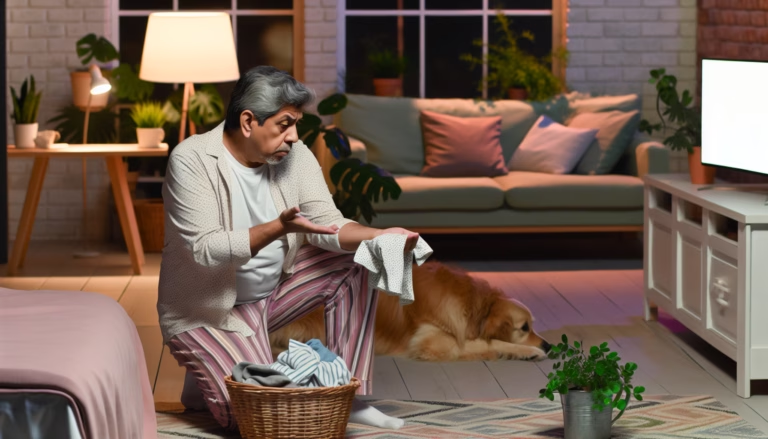
Understanding and Managing Stress in Home Health Care
Home health care undoubtedly brings enormous comfort and convenience, yet it also introduces its set of challenges for both patients and caregivers. One of these challenges is managing stress, which frequently arises due to the complexity of health issues, the inevitability of lifestyle changes, and the emotional burden that caregiving can entail. In this article, we will evaluate the causes of stress in the home health care setting and share some effective strategies for managing it.
The Root Causes of Stress in Home Health Care
For patients receiving home health care, the major sources of stress can range from fear of the unknown to the practical difficulties of managing chronic conditions at home. Frustration can stem from restrictions on mobility, dependence on others for care, and the disruption of familiar routines. On the caregiver’s side, stress might arise from balancing caregiving duties with personal life, work pressure, or the emotional toll of witnessing a loved one suffer.
Proactive Stress Management Techniques
Structured Routine and Organization
Having a well-structured routine can alleviate a lot of the unpredictability surrounding home health care and significantly reduce stress. This includes setting a consistent schedule for medication, meals, exercise, and rest. In combination with organization tools like medication dispensers and reminder apps, a structured routine can ensure that nothing slips through the cracks.
Mind-Body Techniques
Mind-body techniques like meditation, deep breathing, and yoga have proven effective in reducing stress and promoting mental well-being. No matter if it’s a quick five-minute meditation in the morning or a 30-minute yoga session in the evening, these practices can significantly enhance emotional equilibrium.
Open Communication
Open and empathetic communication serves as an essential element in managing stress. Patients should feel comfortable expressing their fears, challenges, and needs to their caregivers, who, in turn, should find an outlet to express their worries and seek help when overwhelmed. This could be through support groups, therapy, or simply confiding in a trusted friend or family member.
Professional Counselling and Support
Sometimes, managing stress in a home health care situation might necessitate professional help. Psychologists, psychiatrists, and therapists provide essential services that can assist in coping with the psychological pressures of home health care.
Resilience: The Ultimate Stress Buster
While stress in home health care might seem overwhelming at times, resilience typically emerges as the ultimate stress buster. Resilience is built not just through one strategy but rather through several: maintaining a positive attitude, practising gratitude, keeping a sense of humour, preserving strong social ties, and never losing hope. By building resilience, both patients and caregivers can reap emotional rewards that reach far beyond the home health care realm.
In Conclusion
Stress management in home health care requires ongoing effort and patience. Understanding the cause, implementing coping strategies, and building resilience can make the journey significantly more manageable. So, remember, take each day as it comes, strive for progress rather than perfection, and always take good care of your physical and mental health. At all4.health, we’re here to provide guidance and support along the way as we continue to embark on this home health care journey together.