Home Health Care Technology: A New Frontier in Wellness
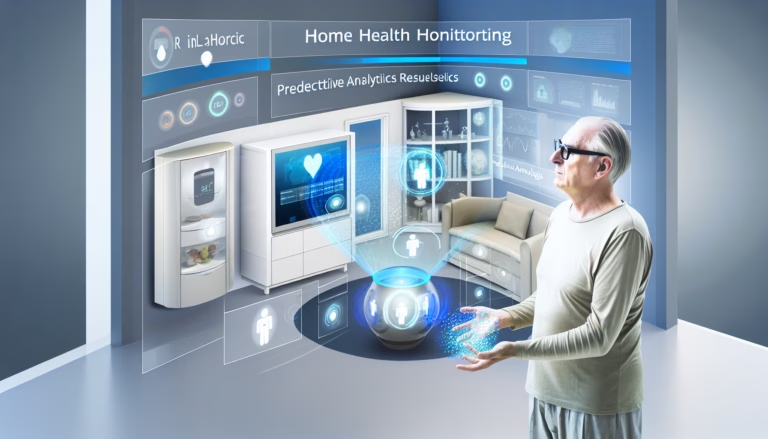
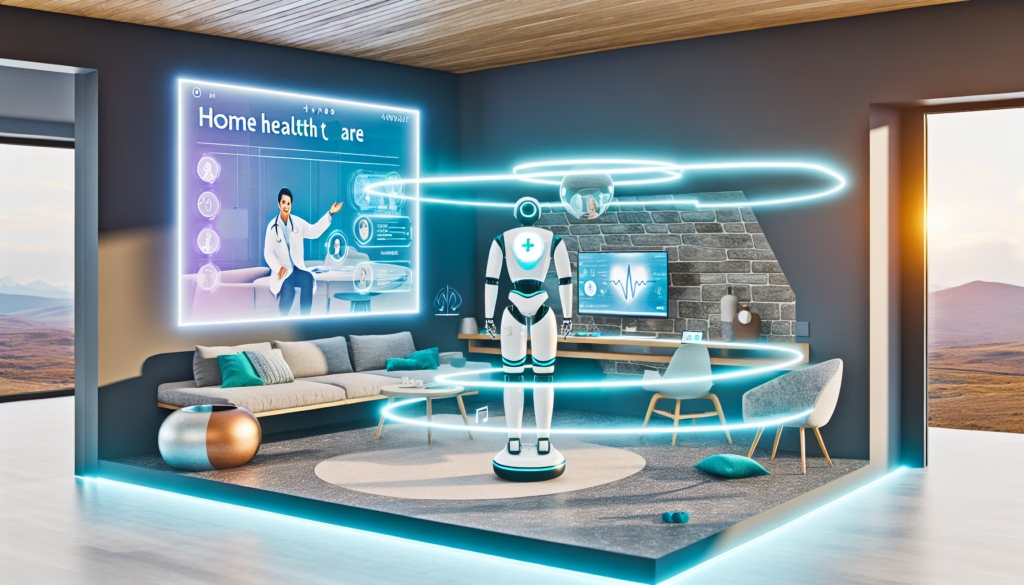
As the focus of health care is increasingly moving towards home-based care, technology is playing an integral role in managing health and well-being right from the comfort of your home. With new advancements in home health care technology, patients are equipped with sophisticated tools that help them manage their health more effectively and independently.
This article will delve into the transformative power of home health technologies and how they are revolutionizing the healthcare landscape.
Telemedicine: Bridging the Patient-Doctor Divide
With the advent of telemedicine, geographical boundaries are no longer a barrier to accessing healthcare. Whether it’s a virtual consult with a doctor or remote patient monitoring, telemedicine enables seamless and timely health care provision. It’s particularly beneficial for elderly or disabled individuals who face mobility challenges, reducing the need for hospital visits and offering a more comfortable and convenient care experience.
Wearable Tech: A Proactive Approach to Health
From fitness trackers to smartwatches, wearable tech has become synonymous with wellness in the modern world. These devices offer real-time tracking of vital health parameters such as heart rate, blood pressure, and sleep patterns. This continuous monitoring can flag potential health risks early and assist in proactive disease management.
Artificial Intelligence in Home Health Care
Artificial Intelligence (AI) is not just a buzzword in the technology domain; it’s shaping up to be a game-changer in home health care too. AI-powered tools can predict potential health issues, provide support in medication management, and even assist in rehabilitative care through VR-powered exercises. Moreover, AI’s capability to analyze vast amounts of data can offer individualized care plans, leading to a more personalized and efficient home health care experience.
Safety Technologies for In-Home Care
Technological advancements have not only made it easier to manage health but also ensure safety at home. Devices like automated fall detectors, smart home systems, and medical alert devices provide an added layer of security to patients at home, especially those living by themselves.
Conclusion
As technology continues to evolve, it is likely to play an even larger role in home health care. It brings the promise of a more empowered patient who can manage their health independently and with ease. While it certainly doesn’t replace the human touch or medical expertise, technological advancements go a long way in complementing them, making home health care a more attainable and effective solution for many.
In the end, the marriage of health care and technology holds abundant promise and unlimited potential for enhancing the quality of life for home health patients. The future is here, and it’s putting the power of health right into the patient’s hands.