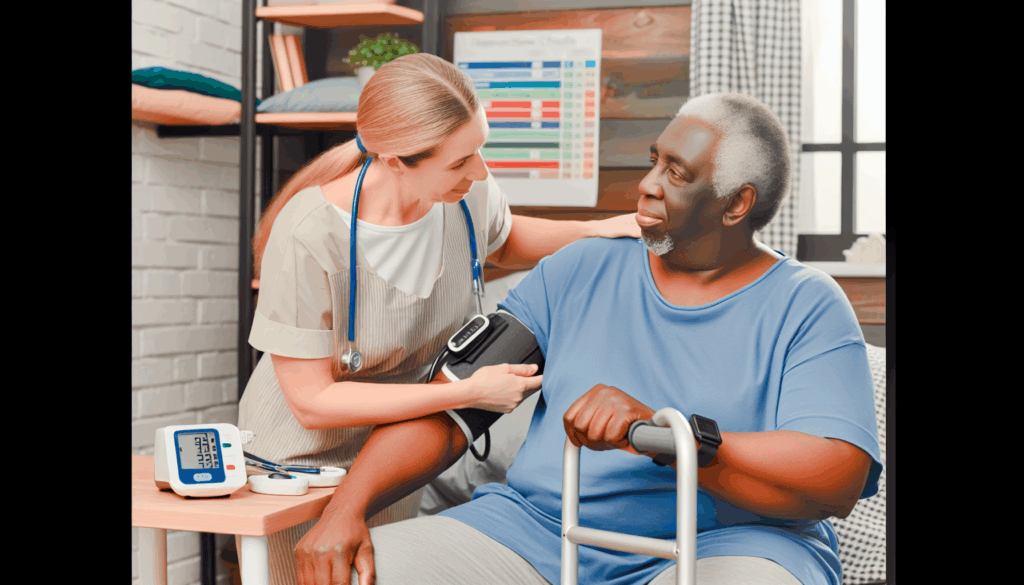
Supporting Loved Ones through Home Recovery: A Guide for Caregivers
The role of caregivers in home health services can’t be overemphasized. Their unwavering support to patients recovering from illness at home is critical in navigating the path to wellness. They’re not only the pillar of emotional support but also the bridge between the patient and the medical world. However, being a caregiver, especially for a loved one, can be quite demanding. Here are some practical tips for caregivers to help support their loved ones through home recovery.
Understand the Diagnosis
The first step is to fully understand the diagnosis. You should feel empowered to ask questions and consult with your loved one’s health care provider. Understanding the patient’s condition allows you to provide context-appropriate care and anticipate possible complications. It also enables you to understand any lifestyle or dietary adjustments that may be required.
Establish a Routine
Establishing a daily routine is crucial in home care scenarios. It could include medication schedules, meal times, exercise, rest, and rehabilitation exercises. This routine serves as a roadmap to meet the patient’s varying needs and ensures that crucial tasks are not overlooked. Furthermore, a routine offers a sense of security and normalcy to the patient.
Ask for Help
Don’t hesitate to seek help. At times, providing home care can be overwhelming. There are support groups and respite care facilities that provide temporary rest to the primary caregivers. Respite care is especially beneficial for caregivers who juggle multiple roles. Remember, taking care of your own physical and emotional health is equally important.
Incorporate Healthy Habits
Encourage healthy habits in your care routine. Engaging your loved one in light physical activities, such as a simple walk in the garden or seated exercises, can enhance their well-being. Similarly, ensure appropriate nutrition and hydration to speed up the recovery process. In case of dietary restrictions, consult with a dietitian to devise a meal plan.
Leverage Technology
Technology has opened new doors in the realm of home health care, with the advent of telemedicine and remote patient monitoring. This includes wearable devices that keep track of parameters like heart rate and blood pressure. You can leverage these technologies to keep a close eye on your loved one’s health parameters continually, making care delivery far more effortless and effective.
Remember, providing care to your loved one at home is a journey filled with challenges and rewards. Take each day as it comes, and don’t forget to consult health care providers for professional advice whenever in doubt. All4.health is your resource for insights, advice, and patient stories that can help you in this journey.
Conclusion
Caregiver’s role is truly the heart of home health care. Each commitment you make, every task undertaken, contributes to the healing and well-being of your loved one. As challenging as it might be, remember that your effort is heroic, and the impact is immeasurable. Here’s to your strength, resilience, and indispensable role in the journey of home health care!