Easing the Transition: Tips for Adjusting to Home Health Care
Transitioning from hospital care to home health care is a significant change that requires physical, emotional, and psychological adjustment. As a patient, taking on this new phase in your health journey can seem daunting, but with the right support, information, and mindset, it can be a manageable and positive experience. In this article, we will provide some helpful tips that can ease your transition and help you get the most out of home health care.
Understanding the Home Health Care Framework
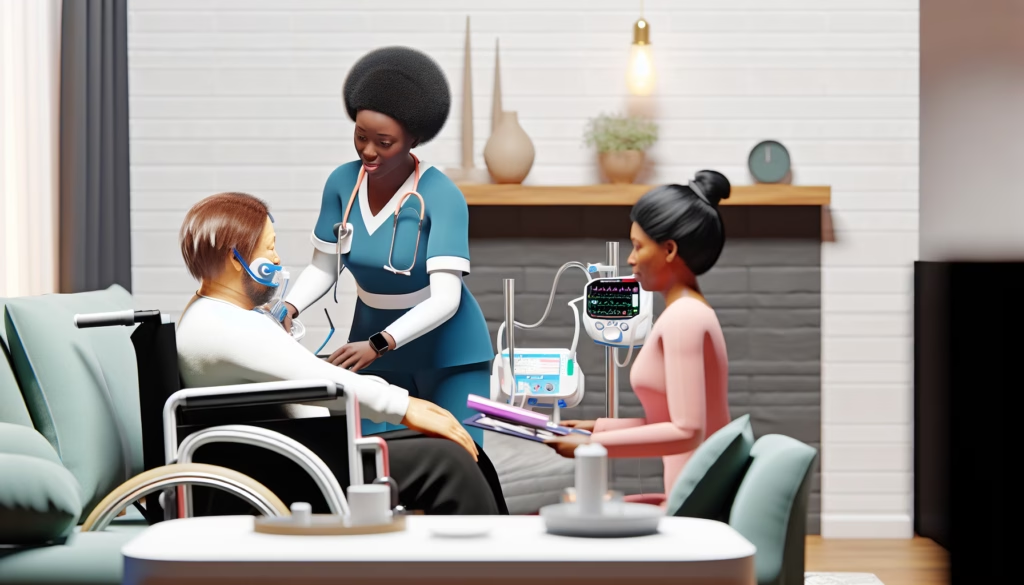
The first step towards a smooth transition to home health care is understanding what it entails. Home health care offers medical, rehabilitative, therapeutic, and assistive care services in your home to help manage health conditions, promote recovery, and enhance quality of life. Services often include wound care, physical therapy, and personal care tasks.
Organize a Care Plan
Having a comprehensive, patient-centered care plan is pivotal. It should outline your health objectives, planned interventions, medication schedule, dietary needs, and any special assistance you may need. Regularly reviewing your care plan with your health provider will allow adaptations to be made based on your progress or changes in your health status.
Setting Up a Comfortable and Safe Home Environment
Your home should be equipped to accommodate your health needs and ensure your wellbeing. This might involve decluttering to minimize tripping hazards, installing grab bars in the bathroom, or ensuring that chairs and beds are at a comfortable height.
Develop a Support Network
A robust support network is a valuable resource during this transition. This network can include family members, friends, healthcare professionals, and even online communities. Support isn’t just about managing your health needs; emotional support and companionship can contribute significantly to your overall well-being.
Mental and Emotional Health
Transitioning to home health care isn’t just about physical health. Your mental and emotional health needs attention too. Regular interaction and communication, engaging in favorite activities, and professional mental health support can help manage feelings of anxiety or depression that may arise during this period.
Engage with Available Resources
Remember, you are not alone in this journey. There are many resources and support systems available to help you adjust to home health care. These may include patient guidebooks, online forums, local community organizations, and health care professionals who can provide expert advice and companionship.
Conclusion
Moving to home health care is a major transition, but with understanding, strategic planning, a positive mindset, and a strong support network, it can be a journey towards a healthier, more comfortable lifestyle. At all4.health, we are committed to providing you with the most accurate, up-to-date, and empowering information to enhance your home health care experience.