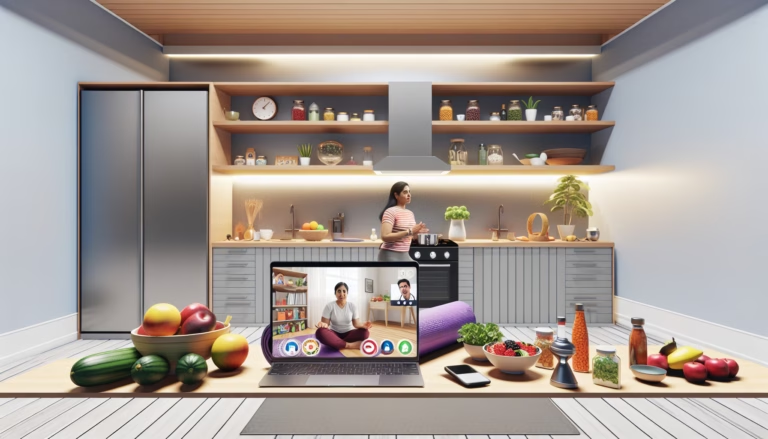
Title: Embracing Nutrition for Better Home Health Care
In the journey of home health care, essential elements like medication, exercise, and regular check-ups are often the focus of attention. However, an equally critical component of this process is nutrition. Proper eating habits drastically improve the health outcomes of patients who are being cared for at home. For individuals subscribing to home health care, investing in suitable dietary practices can positively affect their overall well-being and significantly enhance their recovery process.
The Power of Nutrition in Home Health Care
Good nutrition not only fuels our bodies but also serves as a frontline defense against various diseases and health complications. From supporting the immune system to promoting efficient body functions, a balanced diet is instrumental in maintaining health, particularly for those requiring home health care.
Many home patients suffer from chronic conditions like diabetes, hypertension, and heart diseases. Most of these conditions are largely influenced by diet, making the latter a powerful tool in managing these ailments and reducing complications.
Navigating Dietary Needs
Determining the nutritional needs of a patient can be dynamic. As health conditions change, so do their dietary requirements. It is, therefore, important that caregivers regularly consult with a health professional or a registered dietician, who can provide expert guidance based on the evolving needs of the patient.
Simple changes, like incorporating more fruits and vegetables, reducing sodium intake, or monitoring carbohydrate counts for diabetic patients, can go a long way in sustaining health and promoting healing.
Challenges in Managing Nutrition at Home
The main challenges in managing dietary needs at home include lack of knowledge about cooking nutritious meals, financial constraints, and difficulty in preparing meals, especially for patients who live alone. Effective strategies to address these challenges can include education on preparing simple, nutritious meals, seeking assistance from nutritionists, and resorting to home-delivered meals.
The Role of Caregivers
Caregivers play a crucial role in managing patients’ dietary needs, from meal preparation to ensuring patients adhere to recommended diets. With accurate knowledge and a positive attitude, caregivers can effectively contribute to patients’ health improvement through good nutritional management.
The journey to better health through proper nutrition calls for continued education and relentless dedication. It may be challenging, but the rewards are worth the effort. After all, eating is a basic pleasure of life and ensuring that it serves the health of home care patients enhances not just their physical well-being, but also their emotional satisfaction. In the realm of home health care, good nutrition is indeed a powerful medicine.
By embracing healthy eating and dietary management strategies, individuals receiving home health services can significantly improve their daily functioning, manage their chronic conditions better, and significantly enhance their enjoyment of life. Nutrition isn’t merely about eating; it’s about leading a healthier, more meaningful life at the comfort of one’s home.