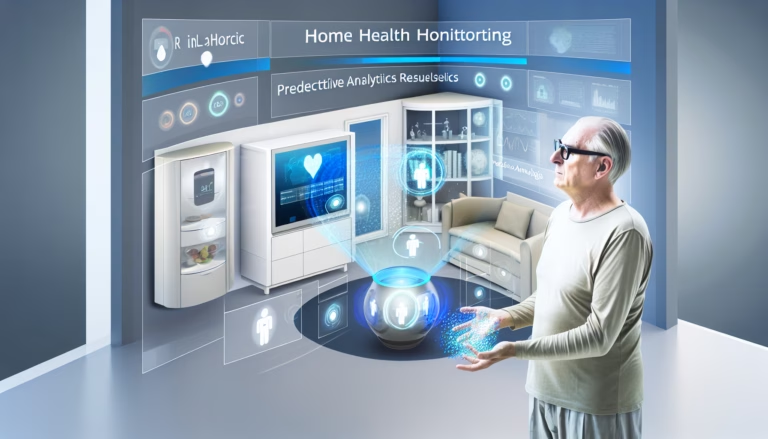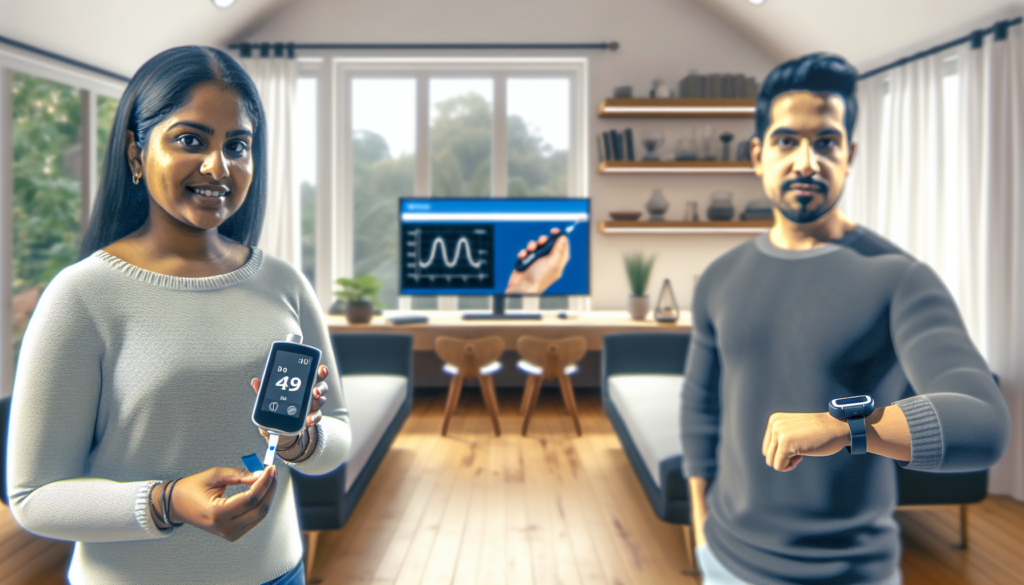
As our lives evolve and advance, so too does the technology we utilize to make living not only more convenient but more fulfilling. This is especially true in the world of healthcare where technology is continually shaping and improving how we care for ourselves and our loved ones. From telemedicine to innovative home health monitoring systems, technology is bridging the gap between patients and healthcare professionals while also enabling individuals to take more control over their health.
One such area where technology is making significant strides is in the care and management of diabetes. Living with this chronic condition can be challenging, but advancements in technology are providing tools to make it less daunting.
Technological Advancements in Diabetes Care
One of these recent advancements include Continuous Glucose Monitors (CGMs). CGMs have revolutionized diabetes care by allowing patients to monitor their blood sugar levels continuously, without the need for repeated finger pricks. This gives a more comprehensive perspective of their blood sugar trends, enabling them to manage their condition more effectively.
Another noteworthy development comes in the form of insulin pumps. These devices provide insulin doses continuously throughout the day, mimicking how a healthy pancreas would function. It not only improves glucose management, but it also provides an enhanced level of convenience and flexibility for the user.
Home-based Physical Therapy Tools
Technology has also revolutionized the way we approach physical therapy. With the advent of various home-based therapy tools and devices, patients no longer need to make frequent trips to the therapist. From virtual reality systems that simulate real-life therapy scenarios to biofeedback devices that provide real-time feedback about muscle activity, patients can now effectively continue their physical therapy routines at home.
The Role of Telemedicine
Telemedicine has emerged as a boon, especially amid the COVID-19 pandemic where social distancing has become crucial. It offers convenience for both the patient and the healthcare professional by facilitating virtual consultations and follow-up visits. Additionally, many telemedicine platforms now use artificial intelligence to identify potential health issues, making preventive care more accessible and efficient.
Conclusion
While technology cannot replace the human touch in healthcare, it is undoubtedly playing a pivotal role in transforming the way home health care is delivered. Embracing these advancements not only enhances our ability to manage chronic conditions effectively but also empowers us on our journey towards overall well-being.