Understanding The Role Of Telehealth In Home Healthcare
As technology continues to evolve, its impact on the healthcare industry is increasingly apparent. Among the different areas it has transformed, home healthcare stands out. One of the most significant technologies impacting home healthcare is telehealth. On this blog post, we’ll delve into understanding the role of telehealth in home healthcare and the ways it can enhance patient experience and care.
Introduction to Telehealth
Telehealth incorporates a broad range of technologies to deliver virtual medical, health, and education services. It is all about transmitting health information, through electronic information and telecommunication technologies, to support long-distance clinical healthcare. It includes virtual visits with healthcare providers, remote patient monitoring, and mobile health applications.
Importance of Telehealth in Home Healthcare
Telehealth has become a critical component of home healthcare, particularly for patients managing chronic conditions and those who may have difficulty leaving their homes for in-person visits. It offers multiple benefits, including:
- Increased accessibility: Telehealth overcomes geographic barriers by enabling patients to access medical care and education no matter where they live.
- Improved patient engagement: By providing tools for more frequent monitoring and communication, telehealth helps patients remain actively involved in their care.
- Enhanced Quality of care: Telehealth can lead to better outcomes, including reduced hospital readmissions and increased patient satisfaction.
- Cost-effectiveness: Utilizing telehealth technology can result in cost savings for patients by reducing travel time and related expenses.
Telehealth and Chronic Disease Management
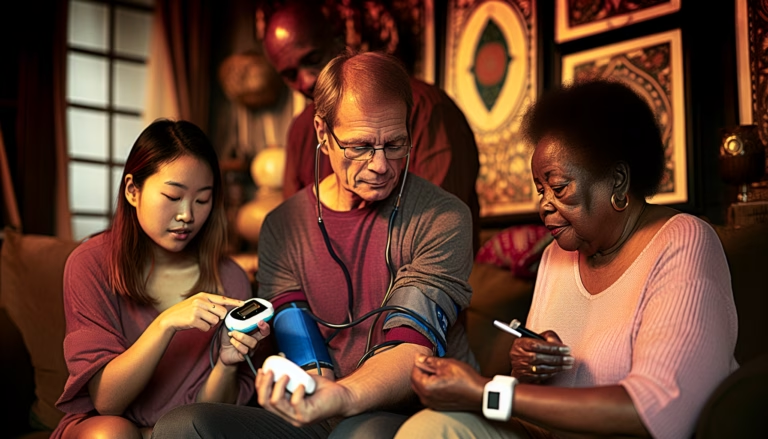
Chronic diseases such as heart disease, diabetes, and respiratory illnesses require ongoing management. Telehealth can play a significant role by enabling providers to monitor patients’ conditions remotely, reducing the need for office visits and allowing for real-time adjustment of care plans. Patients can record their symptoms, vital signs, medication use, and lifestyle habits, which can be transmitted to healthcare providers to track progress and make necessary adjustments.
Telehealth and Elderly Care
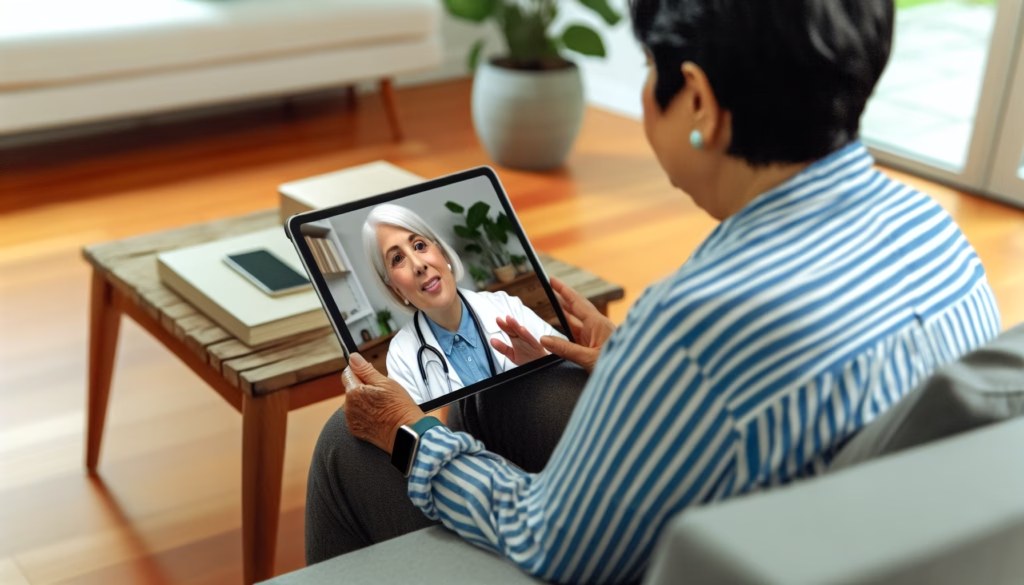
For elderly patients who may have mobility issues or live far from healthcare facilities, telehealth can be a lifeline. With video conferencing, patients can consult their healthcare providers from the comfort of their homes. Moreover, remote patient monitoring programs can track a range of health parameters, including heart rate and blood pressure, which can be crucial for those with heart conditions or hypertension.
The Future of Telehealth in Home Healthcare
While telehealth has made a substantial difference in home healthcare, the future holds even more potential. With technological advancements like AI and machine learning, we can expect even more personalized and efficient care, leading to improved patient outcomes.
Telehealth has clearly redefined what it means to visit the doctor. By expanding access to healthcare and making it more convenient, telehealth is helping to improve not only health outcomes but also the quality of life for patients in home healthcare.
Conclusion
Telehealth’s role in home healthcare is undeniably transformative. It offers a host of benefits such as increased accessibility, improved patient engagement, enhanced quality of care, and cost-effectiveness. Particularly for chronic disease management and elderly care, telehealth is proving to be an indispensable tool in improving healthcare outcomes. As technology continues to advance, the future of telehealth in home healthcare looks promising, paving the way for more personalized and efficient patient care.