Understanding The Role of Telehealth in Home Healthcare
You’ve probably heard the term “telehealth” being thrown around a lot especially in this era where technology seems to be permeating almost every facet of our lives. But, what exactly is it? Essentially, telehealth involves the delivery of health-related services and information via telecommunication technologies. It allows for long-distance patient care, advice, reminders, education, intervention, monitoring and remote admissions.
As our modern world continues to evolve and more technological solutions are introduced, telehealth will likely become an increasingly common aspect of healthcare. Let’s take a deeper dive into what telehealth entails and how it impacts home health care which forms a crucial part of our healthcare system today.
How Does Telehealth Fit into Home Health Care?
Telehealth is a rapidly growing component of health care that can offer numerous benefits for both patients and healthcare providers. This is particularly true when it comes to home health care where patients receive professional medical care in the comfort of their own homes.
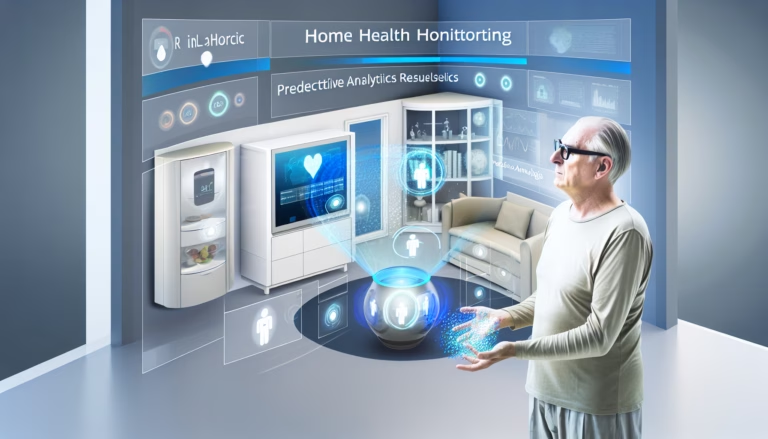
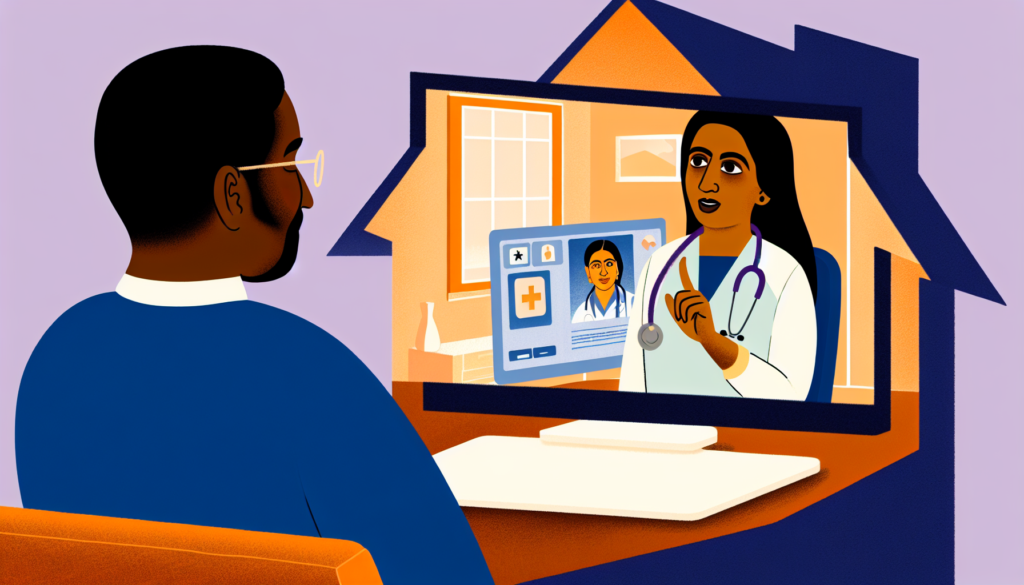
With advanced technologies, medical practitioners can provide remote consultations, monitor patient health, and interact with patients without physical proximity. This capability dramatically increases the accessibility, quality, and efficiency of healthcare services, making it an essential part of modern home health care.
The Benefits of Telehealth in Home Healthcare
With the advent of telehealth technologies, home health care has seen remarkable changes. Here are some key benefits of integrating telehealth in home health care:
Improved Access to Healthcare Services
Patients, especially those living in remote or rural areas, often face challenges in accessing consistent, quality healthcare services. Telehealth provides a solution to this dilemma by providing remote healthcare services, eliminating the need for regular doctor visits. This becomes particularly useful for patients with chronic ailments who require constant monitoring and advice.
Enhanced Quality of Care
By leveraging telecommunication technologies, healthcare professionals can provide personalized, on-demand care to patients. Real-time monitoring, timely intervention, and immediate response to emergencies form the crux of telehealth care, enhancing the overall quality of patient treatment and satisfaction.
Convenience
The convenience offered by telehealth is unparalleled. Patients can receive treatment right from the comfort of their homes, thereby saving them the trouble of traveling to hospitals or clinics. This is particularly beneficial for the elderly, the disabled, and those who lack proper transportation.
Cost Savings
Telehealth cuts down unnecessary hospital visits, prolonged hospital stays, and reduces the need for urgent care. It also helps to prevent hospital readmissions, thereby saving on healthcare costs. An economical solution, it augments the efficiency of healthcare while creating a patient-friendly approach.
Closing Thoughts
From improved accessibility to cost savings, the benefits of telehealth in home health care are manifold. As we move further into the digital age, integrating technology into healthcare will continue to revolutionize the way we approach medicine and patient care.
The future of home health care is undoubtedly intertwined with telehealth technology. While the transition may present its own set of challenges, the potential benefits for patients, caregivers, and healthcare providers alike are indeed promising.