Understanding the Role of Telemedicine In Home Health Care
In today’s digital age, the inception of telemedicine has revolutionized the traditional healthcare system. With the advent of technology and the ongoing global health crisis’s necessitating physical distancing, telemedicine has become not just desirable, but indeed, indispensable.
Undeniably, telemedicine brings a plethora of benefits to home health care, offering remote patient monitoring, convenience, cost-savings, and enhanced accessibility. Let’s delve into the role of telemedicine in home health care, its benefits, limitations, and future prospects.
The Role Of Telemedicine In Home Health Care
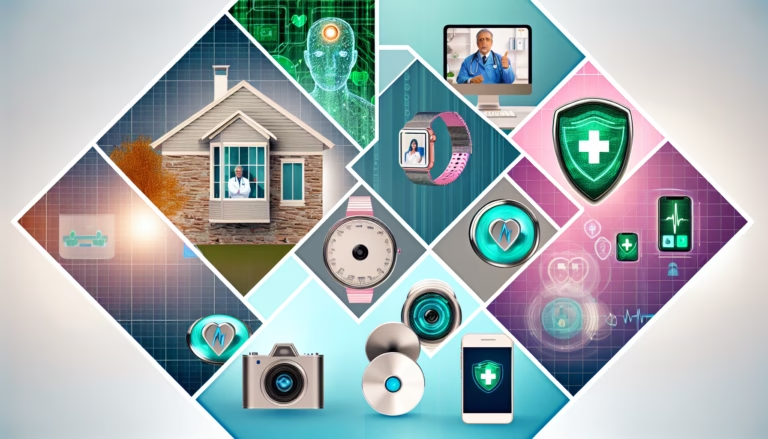
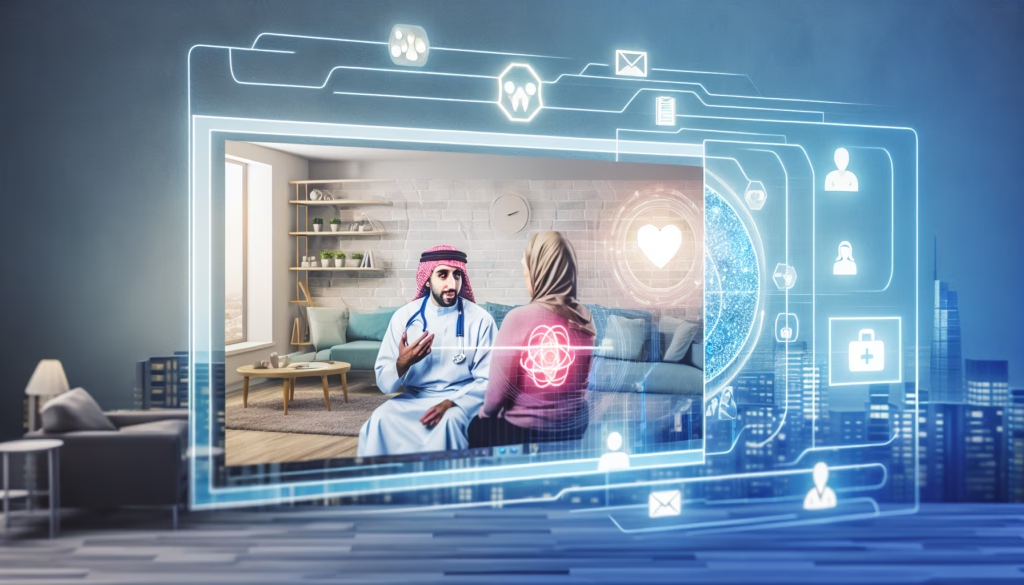
Telemedicine refers to the provision of health care services using digital tools and platforms that allow patients and physicians to communicate remotely. These platforms may encompass live video conferencing, remote patient monitoring, mobile health applications, and digital consultation platforms.
In the context of home health care, telemedicine plays an instrumental role. It enables individuals, particularly those suffering from chronic diseases, to receive professional medical care while staying in the comfort of their own homes. Telemedicine services can bridge the geographical gap between health providers and patients, making healthcare inclusion a reality for patients who live in remote areas or have limited mobility.
Benefits Of Telemedicine In Home Health Care
Telemedicine provides several benefits that align well with the needs of home health care patients. Some significant advantages include:
- Convenience: Patients can consult with professionals from any location, eliminating travel time and reducing the risks associated with hospital visits.
- Accurate Monitoring: Telemedicine solutions include wearable technology and other health monitoring devices, which provide accurate data on patient health in real-time and alert professionals in cases of abnormal readings.
- Cost-Efficient: Online consultation and care can save unnecessary emergency room visits and enable preventative care, thereby saving costs.
- Increased Access: Telemedicine eradicates geographical barriers, making it easier for people in rural or distant locations to access professional health care.
Limitations And Future Outlook
While telemedicine holds immense potential in transforming health care delivery, it does have certain limitations. These primarily pertain to technological literacy, reliability of internet connections, and data privacy concerns. Bridging these challenges is essential to fully leverage these digital healthcare models.
The future of telemedicine, nonetheless, looks promising. With the advancement of technology and increased emphasis on patient-centered care, telemedicine is poised to play an even larger role in home health care. It has the potential to provide an integrated healthcare model that seamlessly combines in-person care and digital health services.
Conclusion
Embracing telemedicine in home health care can significantly improve the quality of care, enhance accessibility, and reduce costs. It not only aids patients and caregivers but can also unburden the healthcare system. As technology evolves and society moves towards digital solutions, telemedicine’s role in home health care will undoubtedly continue to expand.