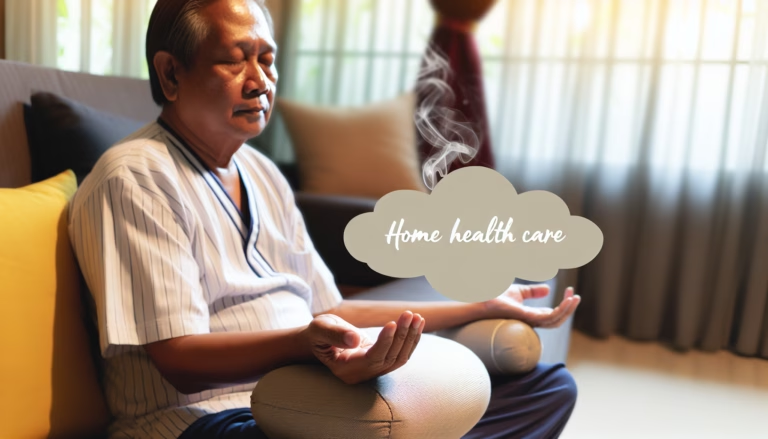
The Power of Self-Care in Home Health Care
The journey of home health care is a combination of various elements such as medication management, regular check-ups, and use of appropriate medical equipment. Among all these, self-care often gets less attention but plays a crucial role in maintaining health and wellness. In this blog post, we aim to shed light on the role and benefits of self-care in home health care, and how you can incorporate it into your daily routine.
What is Self-Care?
Self-care is the collection of habits, routines, and behaviors that individuals perform to maintain their health, manage their stress, and improve their wellbeing. It could be anything from following a balanced diet, exercising regularly, maintaining good hygiene, or taking time to relax and de-stress. In the context of home health care, self-care holds a significant place as it promotes independence and a proactive approach to health management.
The Role of Self-care in Home Health care
In home health care, patients have the leading role in managing their health. Hence, self-care forms the foundation of effective health care management. It equips patients with the skills they need to monitor their health conditions, adhere to their medication regimen, and recognize any signs of health deterioration early, thus preventing potential health crises. Moreover, it enables patients to reclaim their sense of control and power over their health, leading to better health outcomes and a greater sense of wellbeing.
Benefits of Self-Care
Self-care provides a myriad of benefits, especially for home health patients. It not only boosts physical health but also comes with impressive mental and emotional benefits. Here’s how:
1. Boosts Physical Health
Regular exercise, a balanced diet, and good sleep hygiene – all these self-care routines contribute to better overall health. They enhance body strength, improve immunity, and promote optimal functioning of the body processes.
2. Enhances Emotional Wellbeing
Self-care activities such as mindfulness, meditation, or pursuing a hobby help to manage stress and alleviate emotional distress. This uplifts mood, enhances mental resilience, and promotes overall emotional wellbeing.
3. Improves Self-Esteem
By prioritizing self-care, individuals affirm their self-worth, boosting self-confidence and self-esteem. This positively affects their perception of themselves and their health situation, influencing them to take better care of their health.
How to Incorporate Self-Care Into Your Daily Routine
Start by identifying activities that you enjoy and that contribute to your health and wellbeing. It could be gentle exercises, reading, gardening, cooking a healthy meal, or practicing mindfulness. Do remember that self-care is not a one-size-fits-all concept. It varies for everyone, and it’s essential to find what works best for you. Aim to incorporate these activities regularly into your routine, and remember to be patient with yourself. Progress in self-care is slow but highly rewarding.
Embrace Self-Care For Better Health Management
The realm of home health care extends beyond medications and doctor appointments. Self-care is an equally important part – a missing puzzle piece that completes the picture of optimal health management. By embracing self-care, you not only promote better physical and emotional health but also experience increased control and satisfaction in your health journey. Remember, taking care of yourself is the first step towards taking care of your overall health.