Embracing Telehealth: A Comprehensive Guide to Remote Health Care Services
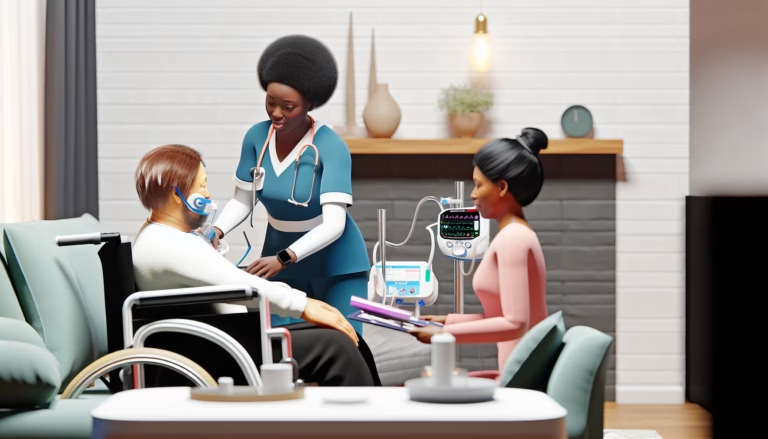
In an increasingly digital world, the landscape of healthcare is shifting rapidly. One of the most transformative changes is the rise of telehealth, a convenient system of care that allows patients to access health services from the comfort of their own home. As an increasingly important aspect of home health care, telehealth is making it easier than ever for patients to manage their health and well-being.
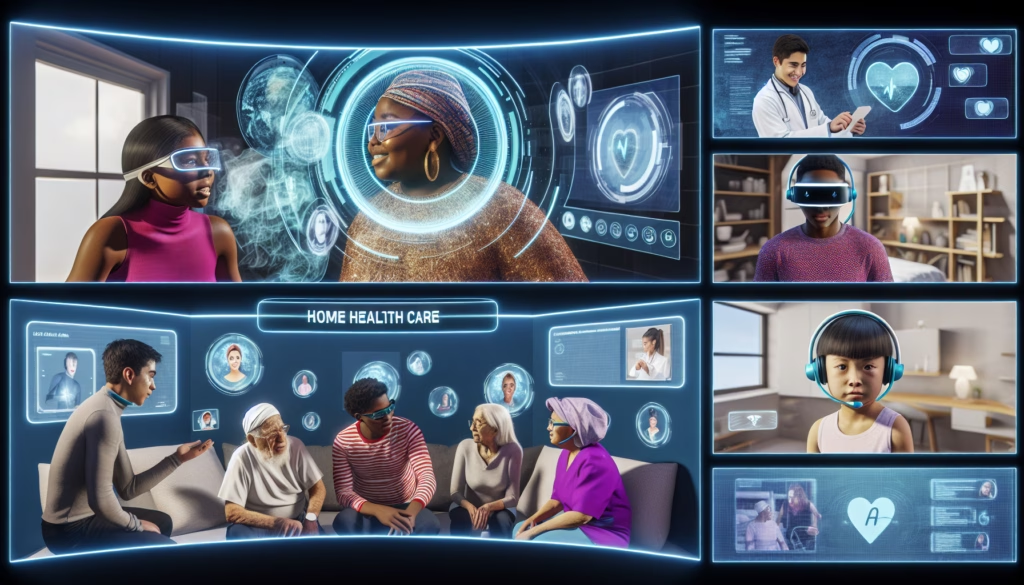
Telehealth includes a wide range of services, from virtual doctor visits and remote patient monitoring to electronic health records and digital therapeutic devices. These developments are not only enhancing the quality of care, but also improving accessibility for patients who may struggle to attend in-person appointments due to distance, mobility issues, or other personal challenges.
The Benefits of Telehealth
Telehealth has numerous advantages for patients, caregivers, and health professionals alike. Here are some of the key benefits:
- Accessibility: With telehealth, healthcare is no longer limited by geography. Anyone with internet access can virtually consult with healthcare professionals, receive medical advice, and manage their health condition at home.
- Convenience: Telehealth eliminates the need for waiting rooms and commutes, offering a more convenient way to access health care services and making it easier for patients to adhere to their treatment plans.
- Cost-efficiency: By reducing the number of in-person visits, telehealth can help save on transportation and childcare costs. In many cases, telehealth services also cost less than in-person consultations.
- Improved monitoring: Telehealth devices allow continuous monitoring of vital signs and symptoms, enabling more timely treatment adjustments and interventions.
Challenges and Solutions
While telehealth offers impressive benefits, it also brings new challenges. Some common concerns include privacy and security issues, technological difficulties, and disparities in access among different population groups. However, solutions are being actively developed to address these issues. For example, healthcare providers are improving their data encryption methods and developing user-friendly technology to make telehealth more accessible and secure.
Moreover, initiatives are being taken to expand broadband access in underserved areas and to provide digital health literacy training for older adults and other vulnerable groups that may struggle with the technological aspects of telehealth.
Conclusion
Telehealth is fundamentally transforming the way we access and interact with healthcare services, offering vast potentials for improving patient empowerment, care quality, and health outcomes. While there are challenges to overcome, the massive strides that telehealth has already made are promising. As we continue to harness this innovation, the future of home health care looks brighter than ever.
Remember, at All4Health, our goal is to provide you with the information you need to navigate your home health care journey. Stay tuned for more updates, advice, and insights on the latest health and wellness trends.