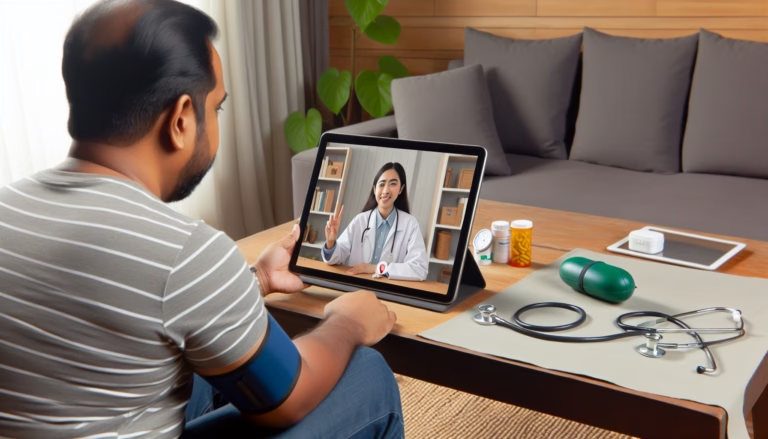
Empowering Home Health Patients: A Deep Dive into Self-care Practices
The realm of home health care has evolved significantly due to advancements in technology and a greater emphasis on patient autonomy. If you’re a home health patient, parent, caregiver or someone keen on health and wellness, understanding self-care practices can be an essential part of enhancing your healthcare journey. This article explores self-care practices for managing routine health care at home, ranging from chronic disease management to enhancing mental well-being to creating a supportive environment.
The Importance of Self-Care in Home Health
Caring for oneself is a fundamental part of overall well-being and health management. While health care professionals provide essential services and treatments, much of a patient’s well-being relies on daily self-care practices. These practices include monitoring symptoms, managing diet and exercise, taking medications timely, and other self-management behaviors.
Managing Chronic Conditions at Home
A critical part of home health care is managing chronic conditions like diabetes, heart disease, or respiratory disorders. Here are some key self-care strategies:
- Regular Monitoring: Regularly track your symptoms and vital signs. Keeping an eye on changes can help you recognize patterns or early signs of complications.
- Medication Adherence: Create and follow a regular medication schedule. Developing a reminder system can help keep you on track.
- Diet and Exercise: Eating a balanced diet and maintaining regular physical activity is essential. Speak with your healthcare provider for personalized advice addressing your specific condition.
Mental Well-being: The Understated Need
While physical health is a focal point in home health care, mental well-being is equally significant. Here are a few strategies you can implement:
- Mindfulness: Practices such as meditation or Yoga can help improve your mental health, reducing anxiety and stress.
- Communication: Having open communications with caregivers and health professionals about your feelings and concerns can ease feelings of isolation or stress.
- Pleasurable Activities: Engaging in activities that bring you joy can enhance mood and overall mental health. This could be a hobby, time spent with loved ones, or simply enjoying the outdoors.
Creating a Supportive Environment at Home
When you’re managing health at home, your environment plays a vital role. Here are tips to ensure your surroundings support your health goals:
- Organized Space: An organized space can reduce potential risks like falls and help keep essential medical supplies within easy reach.
- Comfortable Atmosphere: Personalizing your space to make it comfortable and relaxing can positively impact your recovery and ongoing care.
- Accessible Information: Keep necessary health info readily available for quick and easy reference.
In summary, self-care practices can play a significant role in managing home health. While it requires personal commitment and diligence, the results will undoubtedly contribute to a better quality of life and empower you in your home health care experience.